

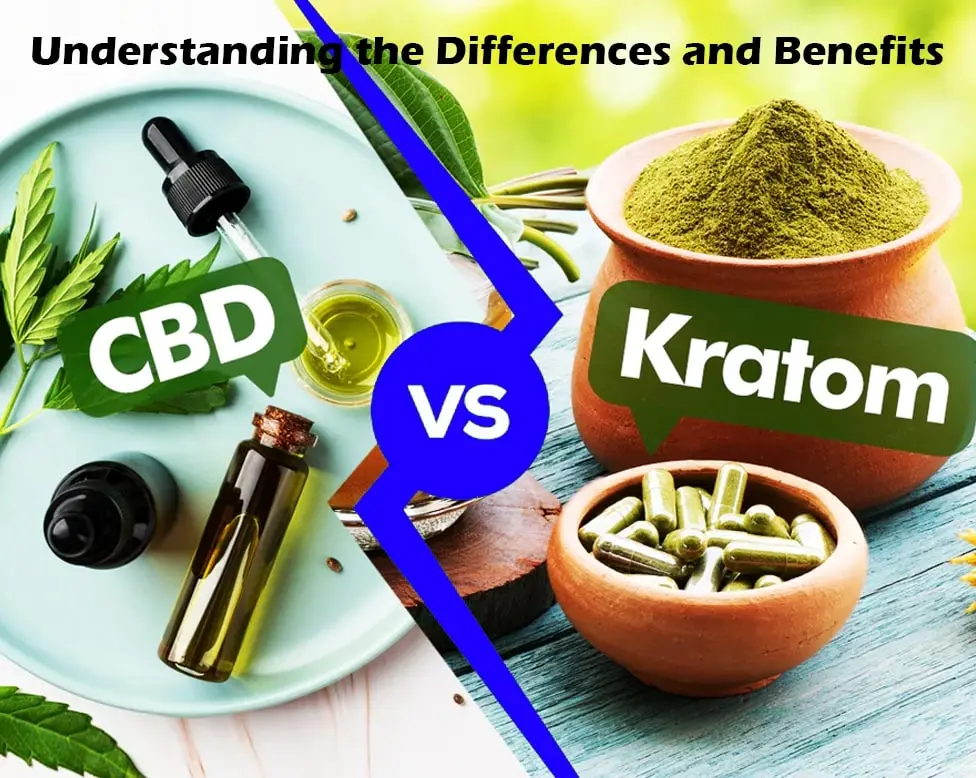
Kratom plus CBD is often suggested as a natural treatment for pain and anxiety. Both come from plants, besides people praise them for therapeutic qualities, but differences in traits and consequences can cause varied outcomes for users. If choosing between them appears hard, that is normal. With considerable data available, a knowledgeable decision seems difficult. This is a breakdown of the differences. This will help in understanding possible advantages also dangers so you can find relief.
Kratom vs CBD: A Comparative Analysis
The beginning of the discussion about Kratom plus CBD concerns where each comes from. Kratom originates from leaves of the Mitragyna speciosa tree. The tree grows naturally in Southeast Asia. People in that area used it for a long time, mainly for stimulation and pain reduction. When someone consumes kratom, active ingredients in it, such as mitragynine and 7-hydroxymitragynine, affect opioid receptors in the body. That action can produce feelings of happiness at small amounts. It gives energy plus concentration. Larger quantities usually cause sleepiness and support pain reduction.
CBD (Cannabidiol) comes from hemp. Hemp is a type of cannabis plant grown to have little THC. It functions in a different way. Instead of attaching to opioid receptors, CBD affects our endocannabinoid system. This system controls many body processes. The action supports management of things like pain, mood along sleep habits. Because CBD does not cause intoxication, thanks to its non-psychoactive qualities, individuals often prefer it when they want therapeutic advantages without the feeling of being high.
For anxiety or slight unease, CBD is possibly better. This is because it has wider acceptance plus a regulatory structure. But kratom offers a faster result for serious pain because it has the capacity in that domain.
An understanding of substance activity leads to a talk about possible dangers and adverse reactions.
Both kratom and CBD have benefits, but also have problems. Kratom gained focus because of worries about reliance and withdrawal, mainly with frequent, substantial use. People report nausea or constipation. More problematic results are liver damage also seizures from too much use. CBD's adverse effects tend to be light. Fatigue or loose stool are typical issues for users. Vigilance is sensible because drug interactions change CBD's effectiveness.
A comprehension of such hazards is important for good judgment. If you think about kratom and CBD, consult a doctor. They can advise on individual health needs plus current prescriptions.
We will examine the beginnings and make-up of those substances.
Origin and Composition of Kratom and CBD
Central to the substances are two plants. Each shaped cultures in their original areas. Or Mitragyna speciosa grows in Southeast Asia's jungles, specifically in Thailand, Malaysia, along Indonesia. For a long period, the local people gathered the leaves for their medicinal properties. These leaves have alkaloids, mainly mitragynine plus 7-hydroxymitragynine. The compounds affect opioid receptors in the brain, so pain diminishes and mood lifts. Picture people who chewed leaves to handle work that lasted long. It was a natural solution, deeply part of their lives.
CBD comes from the Cannabis Sativa plant. Hemp plants with small amounts of THC are often the source. THC is the element that causes marijuana's psychoactive effects. Earlier times saw CBD used in old medicines of China and India. It is popular because it affects the endocannabinoid system. This complex structure controls body processes, for example, mood, discomfort, along tension. CBD's makeup features several cannabinoids in addition to cannabidiol. Each one adds something to its therapeutic qualities.
Kratom mainly acts through its alkaloids. It provides either stimulation or sedation depending on the amount taken. CBD uses a wider group of chemicals to change how the body reacts. Both come from plants with long histories. They give different healing experiences because their chemical makeup differs.
Considering the characteristics and results of kratom and CBD, it is important to study how each addresses problems such as pain, besides anxiety.
Pain Relief: Kratom vs CBD
To manage pain, Kratom and CBD provide distinct relief methods. Kratom comes from Mitragyna speciosa leaves. The active alkaloid mitragynine interacts with brain opioid receptors. This interaction can produce notable pain reduction at lower quantities. People often say they feel greater energy and vigor. This is especially helpful for individuals who have long-term pain.
CBD offers a non-opioid option. It has become more accepted lately. The action involves interaction with the body's endocannabinoid system. It does not directly connect to opioid receptors. Studies appear in respected publications, like the European Journal of Pain. They display that CBD can lessen pain and swelling. It does this without the THC psychoactive effects. This makes it a favored selection for persons seeking discomfort reduction. They avoid addiction risks or severe negative results.
For individuals considering those selections, contemplate the way each product affects you. Kratom's consequences are quicker – an observable increase in power arrives inside 15–30 minutes after use. CBD, however, often needs more time to accumulate in your body – people typically perceive results within 30–90 minutes of taking it. A person's body structure greatly influences reaction to both choices.
An illustration: John explained his move from opiate pain medicines to CBD oil – it let him handle his joint discomfort successfully without the adverse reactions that bothered him when he took medications. That account shows rising worry among many about obtaining less dangerous substitutes for standard narcotics.
It is important to discover how these products affect emotional states and bodily ones, mainly related to stress and emotional health.
Anxiety and Mood: Comparing Effects
Many people now face anxiety, so finding helpful solutions is important. Also called CBD, it may lower anxiety because it affects the body’s endocannabinoid system. Studies at the National Institute on Drug Abuse show it can lower stress and raise serotonin levels. Serotonin amounts are important to maintain a balanced mood. People who use it often report feeling more relaxed without the high feeling linked to THC. They say it gives a soft feeling of calm.
The Dosing Dilemma
Kratom's effects change a lot depending on the amount taken and the type used. Large quantities can cause drowsiness. Drowsiness can seem useful when feeling very stressed, but it can also create the possibility of addiction, a risk that demands thoughtful assessment. Kratom is sometimes used for managing ADHD due to its potential effects on focus and concentration.
By contrast, CBD items, specifically full-spectrum ones, give soothing sensations without causing addiction. It may not give quick comfort like some users see with Kratom. Its advantages often grow slowly. It resembles caring for a garden instead of a fast cure. One waters it often and views its growth over time.
Methods of Incorporation
How you use those substances in your daily life affects how well they work.
For example, some individuals favor tinctures or oils for rapid absorption under the tongue. Some choose capsules or gummies because they are easy to use plus deliver a steady dose throughout the day. Every method has benefits. Tinctures supply faster results. Capsules give longer-lasting effects because the body digests them.
Now that we understand their effects and how to use them, we can review real uses that show how those alternatives fit into daily life.
Different Ways to Use Kratom and CBD
Proper Kratom plus CBD consumption is important for individuals considering it for health or wellness. Every method affects effect onset speed and how long effects last. With knowledge of available options, individuals pick a method that suits their preferences, besides needs.
Methods of Consumption
-
Kratom: Kratom is usually prepared as a tea – people like this warm, comforting method. A powdered form is common. Individuals add it to drinks to hide the unpleasant taste. Capsules let users control the amount taken and skip preparation. But extracts with greater concentration give users more powerful effects compared to the usual powder. Green Maeng Da is especially favored for its energy-boosting effects, making it a popular option for individuals seeking increased focus and productivity.
-
CBD: CBD, much like Kratom, offers diverse forms such as oil tinctures. People can take them as is or blend them into food and drinks. Some edibles, such as gummy candies or chocolate bars, provide a palatable method for CBD intake, with a straightforward dosage for use when traveling. Capsules deliver ease of use accompanied by set quantities. Creams or balms used on the skin permit focused pain reduction. Because vaping CBD became favored because of its swift effects, one should consider possible harm to one's breathing system.
Pros and Cons
Every consumption method provides specific benefits plus difficulties. Kratom prepared as tea often creates faster effects, generally noticed in 15 to 30 minutes, but the flavor can be unpleasant – people then add sweeteners or mix it with juice. Then again, CBD oil has a light flavor that combines well with many foods and drinks. CBD could require a longer time to take effect compared to other methods.
Both substances need careful attention to the quantity used. Although Kratom tea supplies a potent reaction quickly, a dose that is too big could cause unwanted reactions like sickness. In contrast, CBD's slow beginning makes it much less likely to be used, but it requires regular use for the best outcomes.
Considering consumption methods and associated positives plus negatives, it is important to examine the rules that control Kratom and CBD items as consumers decide about using or buying.
Legal Considerations and Regulations
Kratom and CBD legal situations make using them difficult, so buyers must know the rules.
In the United States, Kratom's rules differ a lot. Some states allow it, others forbid it. This happens because the Substance Abuse and Mental Health Services Administration calls Kratom a "Drug and Chemical of Concern," so people worry about it. This means that in certain places, buying Kratom presents no problem, but in others, you may face court problems. This unclear status can complicate a decision about using Kratom.
For CBD from hemp, things appear simpler. Federal law made it legal in 2018, as long as it has less than 0.3 % THC. This provided a step for buyers who consider CBD a health help instead of a mind-altering drug. CBD product sales were about $4.2 billion in 2020, showing it becoming accepted across states. Even with federal rules in place, states still have the power to set their own rules. Some let CBD be used only for health reasons. Potential users need to read local laws.
Knowledge of local rules has an impact on Kratom or CBD purchases. It also governs what products are sold. Product inspection differs among states. Knowing which sellers use dependable methods stops people from getting bad goods. Buyers must find good CBD or Kratom from reliable sellers. This gives them products they can trust.
Knowing the current legal rules for both items helps buyers make informed choices. It lowers the possible risks connected with their use. Because the laws shift, understanding changes will assist people who look for herbal choices.
With knowledge about Kratom and CBD legality, buyers feel able to pick secure, useful choices that suit them.