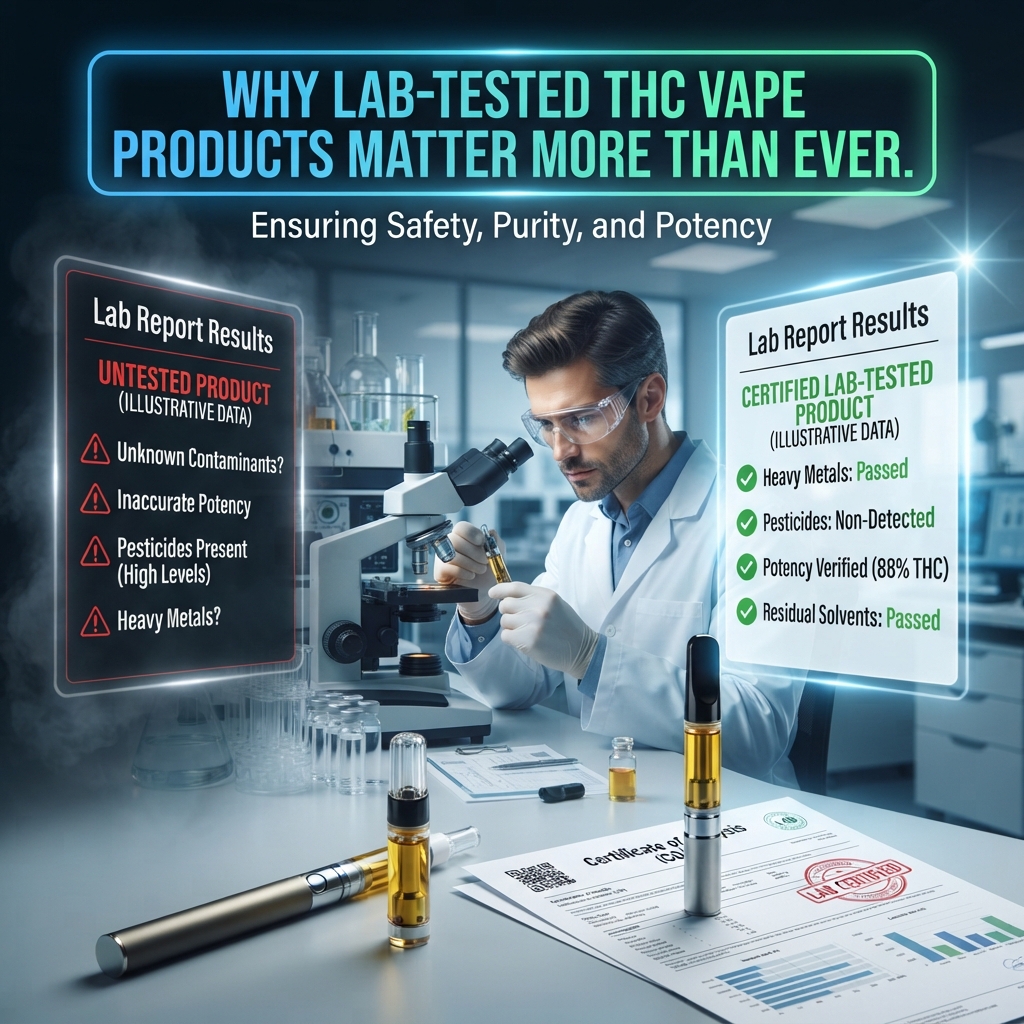
Why Lab-Tested THC Vape Products Matter More Than Ever

Choosing a THC vape product used to come down to flavor, price, and maybe a brand name you recognized from a friend’s recommendation. That is no longer enough. As the hemp-derived market has grown, consumers have gotten sharper about asking what is actually inside a cartridge and how anyone can verify it before it ever reaches a mouthpiece. That shift shows up clearly in North Carolina, where a mix of physical storefronts and online retailers means buyers increasingly compare not just price and strain names, but which sellers can actually back up their claims with real testing.

Lab testing has become one of the clearest signals separating a serious operation from one hoping nobody checks. No test eliminates every risk, but independent laboratory analysis gives a buyer something a label alone never can: verifiable information about what a product actually contains.

Why Third-Party Testing Is Different From a Label Claim

A label is written by the company selling the product. A Certificate of Analysis is written by an independent lab that has no financial stake in the outcome, testing a specific batch for cannabinoid content and, where required, screening for contaminants that would never show up in marketing copy. That distinction is the entire point. A brand can print any number it wants on packaging. An independent lab either confirms that number or it does not.

Because cannabis and hemp-derived products vary somewhat from batch to batch depending on the plant material and extraction run, ongoing testing is what actually lets a manufacturer verify that quality holds steady over time, rather than assuming it does.

A THC Percentage Is Not the Whole Story

Most buyers look first at the THC number on the package, understandably, since potency is the most immediately relevant figure. But potency is only one piece of what a genuinely thorough test actually measures.

A full-panel lab result should also screen for residual solvents left over from extraction, heavy metals, pesticides, and microbial contamination, none of which show up anywhere on a product’s front label. The FDA has directly documented why this matters: its own running list of warning letters issued to cannabis-derived product companies, including several firms based right here in North Carolina, shows a long, ongoing pattern of products making claims that did not hold up to independent scrutiny. Looking past the THC percentage on the front of a package is exactly what catches the kind of gap that list keeps documenting.

Transparency Is What Separates Trust From Marketing

The clearest sign of a trustworthy seller is whether they let you check their work. A company willing to publish batch-specific lab results, rather than making customers request them or simply promise they exist, is showing you something a slogan cannot fake.

Shoppers looking into THC vape carts increasingly treat this as a baseline expectation rather than a bonus feature, checking whether test results are actually linked from the product page itself before ever adding something to a cart.

The Hemp Doctor publishes public lab results directly on its site for every vape product it sells, giving customers a batch-specific COA to review before checkout rather than a promise to send one later if asked.

Consistency Is What Keeps You Coming Back

Anyone who finds a product they like usually wants that same experience the next time they buy it. Batch testing and consistent manufacturing are what actually make that expectation realistic, verifying that a new batch falls within the same specifications as the one before it.

Without that kind of ongoing quality control, noticeable drift between batches becomes far more likely, and a product that worked well once can quietly become unpredictable without any change to the label at all.

A Maturing Market Is Raising the Bar

The hemp-derived cannabis market continues to evolve, with consumers placing greater value on transparency, consistent quality, and product testing than ever before. While testing and labeling requirements still vary between states, many manufacturers are choosing to exceed minimum regulatory standards by investing in stronger quality assurance practices.

That proactive approach not only helps build consumer trust today but also positions businesses to adapt more easily as regulations continue to develop. In a rapidly changing industry, companies that prioritize transparency and product quality are often better prepared for long-term success.

Questions Worth Asking Before You Buy

A few direct questions can save a lot of guesswork before a purchase:

  • Does the seller publish independent lab results, or only mention that testing exists?
  • Are the results specific to the actual batch you are buying, not a generic or outdated sample?
  • Does the COA cover more than potency, including contaminant screening?
  • Is this information easy to find, or buried several clicks deep?

Taking a few extra minutes to review this information can help consumers make more informed purchasing decisions.

Final Thoughts

Lab-tested THC vape products matter now more than at any point in the market’s short history, not because testing itself is new, but because consumers finally have the means and the motivation to actually check.

A Certificate of Analysis is not a marketing flourish. It is the one piece of documentation that tells you, in specific and verifiable terms, what you are actually inhaling. As the market keeps maturing, choosing sellers who make that information easy to find, rather than hard to track down, remains one of the simplest and most effective ways to buy with real confidence.

Why Permanent Marker Seed Genetics Matter in Modern Breeding Programs

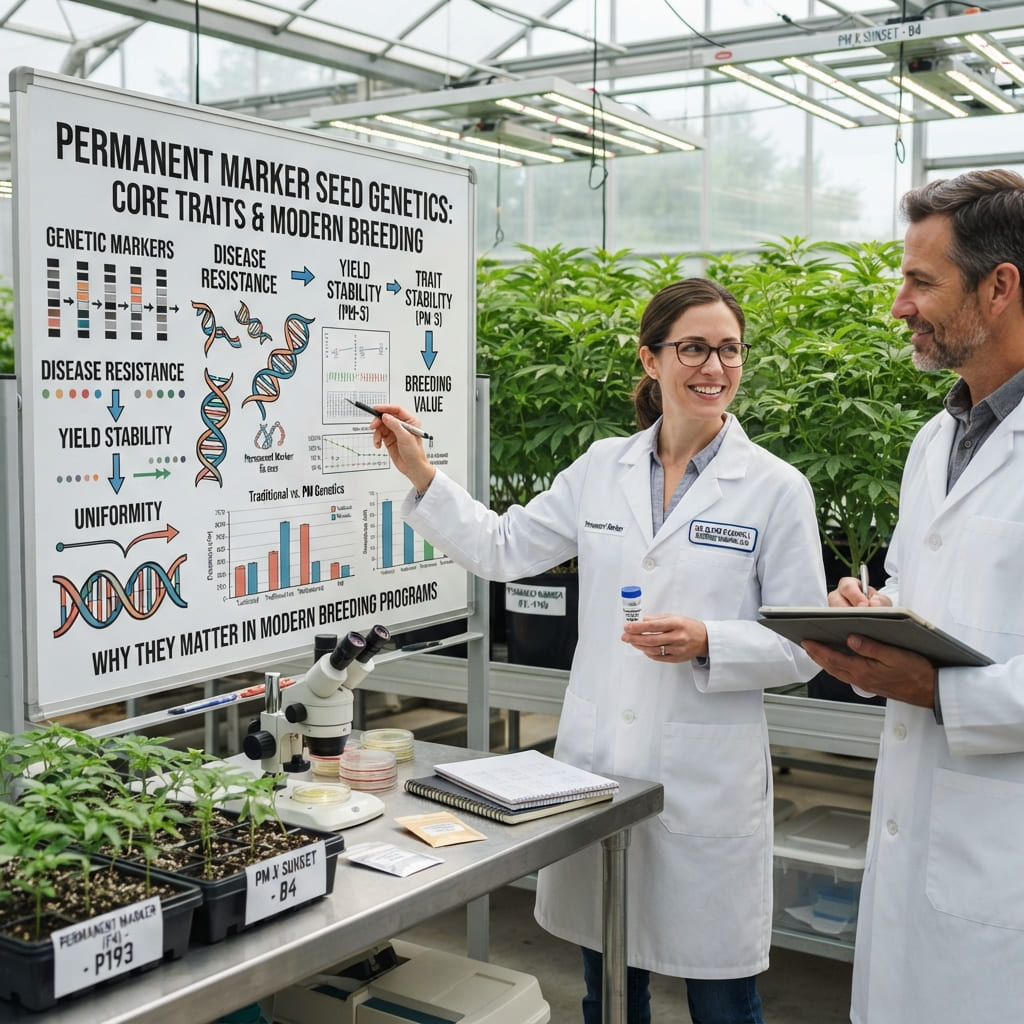
What actually separates a strain that fades into the background from one that reshapes an entire catalogue? It usually comes down to genetics, not luck. Every so often a cross comes along with a chemical profile so distinct that breeders spend years building on it. Permanent Marker is one of those genetics, and understanding why it matters says a lot about how modern breeding programs actually work.

If you have spent any time following cannabis genetics, you have probably noticed how quickly certain strains become reference points for entirely new crosses. Permanent Marker is a clear example of that pattern in action.

The Lineage That Makes Permanent Marker Stand Out

Permanent Marker comes from a three way cross: Biscotti and Jealousy were combined first, then that offspring was crossed into Sherb Bx1. Each parent contributes something specific to the final result, which is part of what makes this genetic combination so valuable to breeders.

Here is how the lineage breaks down:

  • Biscotti contributes dense structure and a sweet, doughy base
  • Jealousy adds gassy complexity and dessert like depth
  • Sherb Bx1 tightens the structure and pulls out a distinctive floral note

Combining stable, well documented parent lines like these is a deliberate strategy, not a random pairing. Breeders choose parent genetics specifically because their traits are predictable enough to combine with purpose.

Why Terpene Expression Matters So Much in Breeding

Terpenes are not just responsible for aroma. They are also a window into how a plant’s genetics are expressing themselves, which makes them one of the most useful tools breeders have when evaluating a cross.

Permanent Marker is known for a floral, almost solvent like top note driven by linalool, layered over a candy and gas base from its Cookies family heritage. That kind of distinct, recognizable terpene signature is exactly what breeders look for when deciding whether a genetic line is worth building on further.

A 2021 study published in Nature Plants used genetic sequencing across cannabis samples to identify specific genes and markers linked to terpene and cannabinoid expression, showing that these chemical differences are rooted in measurable genetic variation rather than random chance. Findings like this help explain why certain genetic lines consistently produce standout phenotypes while others do not.

How Award Winning Genetics Influence Future Crosses

When a strain earns recognition the way Permanent Marker has, it tends to attract serious attention from breeders looking to build their next generation of crosses. A genetic line that wins back to back awards is proving something more than popularity. It is demonstrating consistency across different growing environments and grower expectations.

This is where Permanent Marker genetics become especially relevant for anyone exploring where to source reliable seed stock. Many growers rely on an established seed bank to access verified genetics like this, since sourcing directly from a trusted supplier reduces the guesswork involved in starting a breeding project.

Sigma Seeds is one seed bank that stocks Permanent Marker seeds alongside detailed lineage and grow information, which matters when growers want confidence in what they are actually planting.

Phenotype Variation and Why It Matters

Even within a single, well bred pack of seeds, phenotype variation is normal and expected. Permanent Marker shows a noticeable range depending on which parent’s traits express more strongly in a given plant.

Growers evaluating a pack typically watch for these patterns:

  • Biscotti leaning phenotypes with denser bud structure and stronger cookie dough character
  • Jealousy leaning phenotypes with more color and gassier, dessert forward notes
  • Balanced phenotypes sitting between both parent directions, often considered the most desirable

Understanding this variation is part of what makes breeding programs valuable in the first place. A stable genetic line does not produce identical plants. It produces a predictable range of outcomes that breeders can select from with confidence.

The Role of Patience in Evaluating Genetics

One of the most overlooked aspects of working with complex genetics like Permanent Marker is timing. Many of its defining characteristics, especially the signature terpene profile, develop late in the flowering cycle and continue to build through an extended cure period.

This matters for breeding programs because early evaluation can lead to discarding genuinely strong plants simply because their best traits have not fully expressed yet. Patience during evaluation is often what separates breeders who identify true standout phenotypes from those who miss them entirely.

What This Means for the Future of Breeding Programs

Genetics like Permanent Marker do more than produce a single memorable strain. They become foundational tools that shape future breeding decisions for years afterward. Once a genetic line proves it can consistently deliver a distinct profile, breeders begin using it as a building block for new combinations, extending its influence far beyond the original cross.

This cycle is part of why certain genetics maintain relevance long after their initial release. Their traits keep showing up in new crosses, carried forward by breeders chasing that same reliability and distinct character.

Final Thoughts

Understanding genetics like Permanent Marker provides valuable insight into how modern cannabis breeding has evolved. Rather than simply following what’s popular, it helps illustrate how carefully selected parent genetics can produce consistent traits, distinctive terpene profiles, and reliable performance across generations. It also highlights why phenotype variation is a normal part of the selection process and why experienced breeders take the time to evaluate plants thoroughly before drawing conclusions.

Whether you’re exploring cannabis genetics out of personal interest or researching potential breeding stock, learning what makes Permanent Marker stand out offers a deeper appreciation for the careful planning and selection behind today’s most influential cultivars.

The Role of Fraud Detection Software in CBD Payment Processing

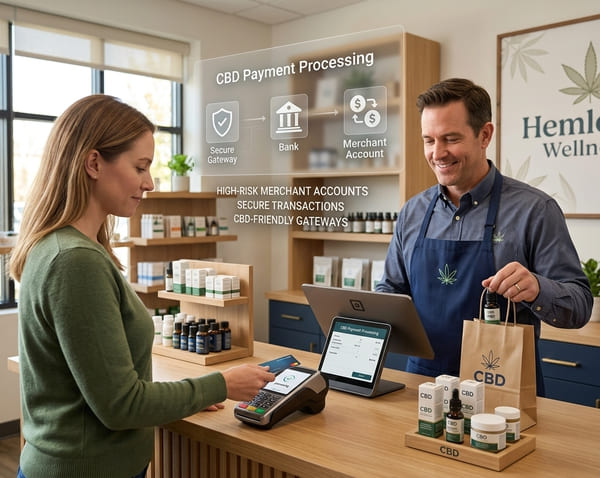
Card-not-present fraud cost United States merchants $10.16 billion in 2024, roughly double the 2019 total, and it now makes up 74% of all card fraud. CBD sellers absorb more of that pressure than most retailers. The category already has higher dispute rates, and every fraudulent order that slips through pushes a high-risk account closer to the chargeback limit that can end it. Fraud detection software is the layer that decides how many of those orders get stopped before they post. 

The software works as a set of checks that run in the moment between a buyer clicking pay and the transaction settling, each one scoring the order against patterns that signal theft. 

Inside a Fraud Engine

A fraud engine reads several signals at once. It scores the order with a machine-learning model trained on past transactions, both clean and fraudulent, and flags anything that deviates from the normal pattern. It runs velocity checks that count how many attempts come from one card, device, or address in a short window, which catches the rapid-fire testing fraudsters use on stolen numbers. 

Other checks confirm the buyer holds the physical card. The card verification value asks for the three digits on the back. Address verification compares the billing address entered at checkout against the one on file with the issuing bank. A 3-D Secure prompt hands authentication back to that bank for a final identity check. Device fingerprinting records the hardware and browser behind the order, so a single machine cycling through cards is easy to flag. None of these is decisive alone. Together they produce a risk score the processor acts on. 

The score does more than approve or block. A middle band routes an order to manual review, where a person checks the details before the sale completes, and the threshold for that band is something the merchant tunes as it learns which orders become disputes. A tighter threshold stops more fraud while sending more orders to review, and a looser one approves faster while letting more slip through. The setting is a business decision the merchant owns. 

The Tight Margin on a High-Risk Account 

For an ordinary retailer, a missed fraudulent order is a loss. For a CBD seller, it is a step toward losing the account. Visa and Mastercard treat a dispute rate above roughly 1% as excessive, and CBD already operates near that ceiling. Each fraudulent sale that posts becomes a likely chargeback weeks later, and a cluster of them can trip the network monitoring program that forces a processor to drop the merchant. 

Each disputed order also costs the seller roughly $110 in handling, labor, and lost goods, so a single missed fraud runs to more than the price of the sale. 

Fraud tools change that math by stopping the orders that would have become disputes. A high-risk processor that boards CBD usually requires the merchant to run them for that reason. The screen protects the processor’s standing with the networks as much as the seller’s revenue, which is why it is built into the account rather than offered as an extra. 

The Processor’s Part in the Screen 

The merchant does not assemble these tools alone. A payment processor for CBD brings the scoring engine, the verification checks, and the device data together inside the same system that moves the money, so the screen runs on every order without a separate integration. The merchant sets the thresholds, and the processor supplies the infrastructure behind them. 

That setup matters most for a small CBD store without a fraud team. The provider’s model has seen far more transactions than any single merchant, and the shared view of patterns across many accounts catches schemes a lone store would miss. 

Evolving Fraud Tactics 

The threats keep changing. Generative tools now let fraudsters build convincing fake storefronts and run online shopping scams that are harder for a buyer or a basic filter to spot. The same technology writes cleaner phishing messages and generates synthetic identities that pass a shallow check. 

Detection has moved in step. The fraud surge is now driven partly by AI fraud on the attacker’s side, which forces the scoring models to retrain on new patterns faster than before. For a CBD seller, the lesson is that a static rule set ages quickly, and a processor whose model updates is worth more than one whose checks were set years ago. 

Stolen Numbers and Card Testing 

Most fraudulent CBD orders start with data the buyer never owned. Large breaches put millions of card numbers into circulation, a pattern that has run from the Target cybercrime case to the steady stream of leaks since. Fraudsters buy those numbers cheaply and test them on small online purchases to see which still work. 

CBD storefronts are a common testing ground because the products are inexpensive and the checkout is quick. Velocity checks and device fingerprinting are the tools that catch a testing run, flagging the burst of small attempts before they turn into approved charges and later disputes. 

False Declines and the Cost of Caution 

A screen set too tight creates its own loss. False declines, where a legitimate order is rejected as fraud, cost merchants far more in lost sales than fraud itself does. By some measures a business loses several times as much to wrongly blocked orders as to the fraud it stops, and the annual cost of false declines runs into the hundreds of billions. A CBD seller that blocks too aggressively trades a fraud problem for a revenue problem. 

The balance is the point of good software. The aim is to protect a small business from theft without turning away the real customers who drive its growth. A model that scores accurately blocks the fraud and approves the genuine order, and that accuracy is what separates a useful fraud system from a blunt one. 

The Stakes of an Unscreened Account 

The stakes are not limited to the value of a few stolen orders. For a high-risk merchant, unchecked fraud feeds the dispute rate, and a dispute rate above the network ceiling ends the account the business depends on. A CBD store that skips fraud detection leaves open the one failure that can take its payment processing away entirely. Replacing a processor after a forced closure is slower and costlier than running the screen would have been, and the software keeps the account alive, which is the outcome that matters most to a business built on card sales. 


How CBD Rubs Are Transforming Post-Workout Recovery for Strength Trainers and Runners

You gave it your all today. You did squats, deadlifts went for a run and had an intense interval session. Whatever it was you left everything on the floor. Now what? Your muscles are telling you about it. You know that feeling when your muscles hurt after a workout. That is called onset muscle soreness. It is a part of working out hard. Now athletes have more ways to recover than ever before. Many athletes are trying things to reduce downtime and keep performing well.

Along with stretching, massage, ice bath and compression many runners and athletes are now using CBD rubs to help with soreness and stiffness after a workout. Some studies say that CBD may help with pain and inflammation. That is why many people are interested in these products.

Here is why it is happening and what the science says.

1. CBD Helps Muscles Recover

When you work out your muscles get sore. Especially after lifting, running long distances or doing a lot of exercises. CBD rubs help with recovery by targeting the muscles and joints that hurt. You put the CBD rub right on the spot that hurts. This is different from recovery products that you take by mouth. Many athletes use CBD rubs after they work out along with stretching and drinking water.

The recovery benefit: Targeted anti-inflammatory action where you actually feel it, without systemic effects.

2. The Athlete Data Is Compelling

This is not just what people say. Many athletes have tried CBD. They like it. A study published in a journal found that 93% of athletes who used CBD said it helped them recover. The study looked at athletes who did types of exercises like running and lifting. One in five athletes used CBD to help with soreness after a workout.

A survey study published in the Journal of Cannabis Research found that 93% of trained athletes who used CBD reported that it aids in their recovery, with not a single participant answering “no.” The survey covered both aerobic and resistance training athletes, with roughly one in five using CBD specifically for post-workout recovery.

The recovery benefit: Athletes who use it report a strong positive effect, and the research is catching up with the experience.

3. It Helps With Sore Muscles

You know how your muscles feel sore after a workout? That is called onset muscle soreness. It usually gets worse 24 to 48 hours after you work out. For athletes this can be a problem. If your legs are still hurting from a workout you did two days ago it can affect how often you can work out.

That is why many athletes use CBD rubs after they work out. They put it on their muscles after a workout and again the next day. CBD rubs can help with muscle soreness and recovery. For athletes who lift weights this means they can work out again sooner. They can also work out better. Do not have to rely on pain medicines as much. For runners it means they have soreness in their knees, hips and calves after a long run.

The recovery benefit: Reduced DOMS severity and duration, which directly supports training consistency.

4. It Works for Both Acute Soreness and Chronic Training Stress

Athletes have to deal with two types of muscle soreness. One is the soreness you feel after a workout. The other is the soreness that comes from working out a lot over time. CBD rubs can help with both.

If you use CBD rubs after a workout it can help with the soreness you feel right away. If you use it regularly it can also help with the soreness that comes from working out a lot. Many athletes use CBD rubs to help with muscles now and to prevent soreness later.

The recovery benefit: Versatile application across both immediate post-workout recovery and long-term training load management.

5. What to Look for in a CBD Rub

Not all CBD rubs are the same. Some are better than others. When you look for a CBD rub make sure it has the following:

  • How much CBD is in it
  • If it has been tested by someone to make sure it is good
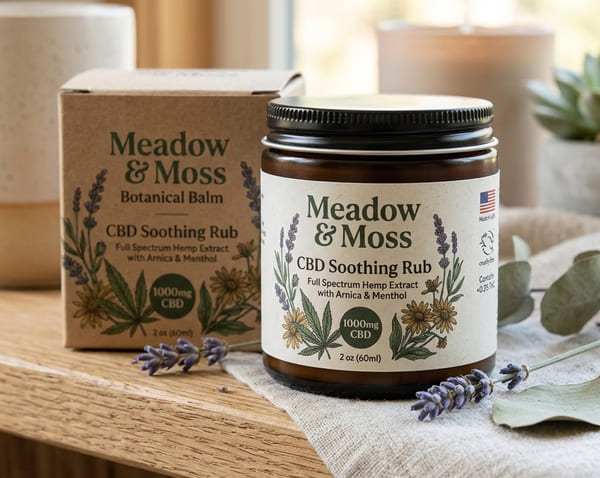
  • If it has ingredients that can help like menthol or arnica
  • If it is not greasy and can absorb into your skin easily

When comparing the CBD rubs for post-workout recovery, factors like ingredient quality, absorption, and targeted muscle application tend to matter more than branding alone.

CBD For Life is one brand that focuses specifically on athletic recovery formulations, combining topical CBD with cooling and muscle-support ingredients designed for direct use after workouts and training sessions.

The recovery benefit: The right product makes the difference between a noticeable effect and a forgettable one.

6. It Works With Your Other Recovery Tools

CBD rubs work when you use them with other recovery tools. They do not replace things you do to recover. Athletes who use CBD rubs also do things to help their bodies recover like:

  • Sleeping a lot
  • Eating protein to help their muscles recover
  • Not working out much
  • Doing light exercises to help their bodies recover

CBD rubs can be part of your recovery routine. You can put it on your skin after a workout. Before you go to sleep. It can help your body recover from a workout. The good thing about CBD rubs is that they can help your body recover along with things you do to take care of yourself.

Conclusion: Recovery Is Where Gains Are Made or Lost

Every serious athlete knows that training is only half the work. What happens in the hours and days after a session, how well you sleep, how well you eat, how well you manage inflammation and soreness, determines how much of that training actually translates into performance.

CBD rubs have earned their place in serious recovery protocols because they address one of the most persistent limiting factors in training consistency: the soreness and inflammation that slow down your readiness for the next session.

Used thoughtfully, applied consistently, and chosen with quality in mind, they’re a genuinely useful tool for anyone who trains hard and wants to keep doing it.

Cannabis Gummies Explained: Effects, Onset Time, and What to Expect

Cannabis gummies have become very popular with people who use cannabis whether they are new to it or have been using it for a time. However cannabis gummies can also be frustrating for people who try them for the time and do not know what to expect. This is often because people do not understand how cannabis gummies work.

This guide is going to tell you about cannabis gummies. You will learn how cannabis gummies work and what to expect from them. You will also find out how to use cannabis gummies in a way and have a good time.

Why Cannabis Gummies Work Differently From Smoking or Vaping

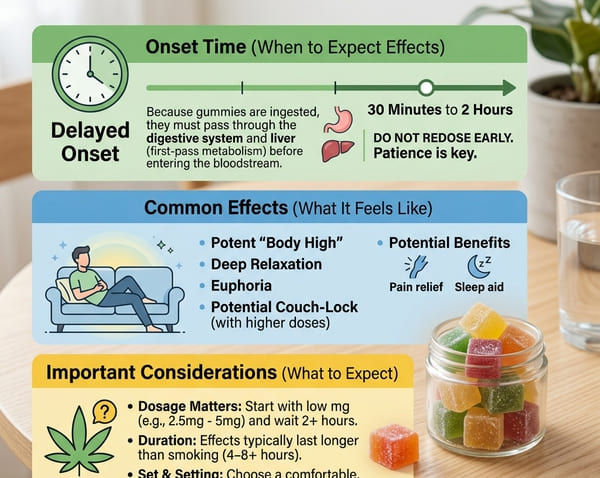
When you smoke cannabis or vape cannabis the THC, from the cannabis goes into your lungs. Then it goes into your bloodstream. You start to feel the effects within a few minutes. The effects peak quickly and usually last for one to three hours.

When you eat cannabis like when you take cannabis gummies it goes into your system first. Your stomach and small intestine break down the cannabinoids. Then they go into your liver before entering your bloodstream. Your liver turns delta-9 THC into 11-hydroxy-THC. This new form is much stronger. It affects your brain more.

The experience of taking them is different in three ways:

  • It takes longer to start feeling the effects, between 30 minutes to 2 hours
  • The effects are often stronger than if you smoked or vaped the amount of cannabis
  • The effects last longer 4 to 8 hours or even more

If you understand how cannabis gummies work before you take them you will have a much better experience.

What Actually Affects Onset Time

The time it takes to feel the effects of cannabis gummies is not the same for everyone. There are things that can affect how long it takes:

Metabolic rate: This can be different from person to person so the same cannabis gummy can take 45 minutes to start working for one person and 90 minutes for another person.

Whether you’ve eaten: If you take cannabis gummies on an empty stomach, you will feel the effects faster than if you take them after a meal. However, eating foods that contain fat can help your body absorb THC more quickly. 

Product formulation: Some cannabis gummies use a technology that makes the THC molecules smaller and easier for your body to absorb so you feel the effects faster.

Tolerance: If you use cannabis regularly you may not feel the effects strongly as someone who does not use it as often.

What the Effects of Cannabis Gummies Feel Like

Cannabis gummies can make you feel ways depending on the type of cannabinoids they have, how much you take and how sensitive you are to them.

If you take a dose you may feel:

  • Your body relaxing, starting from your hands and feet and moving up to the rest of your body
  • Your senses becoming more intense so you enjoy music, food and things you see more
  • Your thoughts slowing down which can be nice and relaxing for some people but uncomfortable for others
  • Your mood becoming happier or calmer depending on the type of cannabinoids and how you react to them
  • You may also feel hungrier than usual

The strength of these effects depends on how cannabis you take. It is hard to predict exactly how strong they will be. This is especially true if you are new to using cannabis.

If you are trying cannabis gummies for the time it is a good idea to start with a product that is well-made and has clear labels. This will help you know how much cannabis you are taking and what to expect. Kush Queen is a company that makes cannabis gummies with labels and consistent amounts of cannabinoids, which makes it easier to know what you are getting from the cannabis.

According to research published in the Journal of Psychoactive Drugs on edible cannabis dosing, inadequate dosing information and the delay between consumption and onset are the primary factors in unintentional overconsumption of edible cannabis products, reinforcing why understanding the pharmacology before consuming is genuinely important.

The Most Common Mistake People Make with Cannabis Gummies

When people take cannabis gummies they often make a mistake. They take much because they do not feel anything at first. You take a cannabis gummy. You do not feel the effects of the cannabis gummy right away. So you might take another cannabis gummy and another one. You do not realize that the first cannabis gummy is just taking a little longer to kick in.

To avoid this mistake you should do something. You should take your cannabis gummy and then wait. Wait for two hours before you take any cannabis gummies. This will help you avoid taking much cannabis and having a bad time with the cannabis gummies.

Managing the Duration of the Effects

Cannabis gummies can last for a long time. This can be good for people who want to feel the effects of the cannabis gummies for hours. It is also important to think about when you want the effects of the cannabis gummies to start and when you want them to wear off.

If you take cannabis gummies in the afternoon you might still be feeling the effects of the cannabis gummies at bedtime. People who use cannabis gummies a lot plan their cannabis use to avoid this problem with the cannabis gummies.

Conclusion

Cannabis gummies can be a way to use cannabis. You need to understand how the cannabis gummies work and how to use them safely. If you know about the delayed onset of the cannabis gummies, the way your liver processes the THC in the cannabis gummies and the extended duration of the cannabis gummies you can use cannabis in a way that’s predictable and manageable.

To have an experience with cannabis gummies you should learn about the cannabis gummies. Start with a dose of the cannabis gummy, wait for the full effects of the cannabis gummy and give yourself time to enjoy the experience, with the cannabis gummies.

From Dispensary Shelf to Your Door: How Licensed Weed Delivery Services Package and Handle Your Order

Cannabis users usually know about their order. Few have any idea of what goes on between the dispensary shelf and their doorstep.

Licensed cannabis delivery services follow stringent processes that go beyond what many people may assume. From inventory management to packaging to driver procedures, everything is done according to California laws.

How Do Licensed Dispensaries Prepare and Verify Cannabis Delivery Orders?

Before any order leaves a dispensary, it goes through a mandatory verification process. A staff member pulls the product from METRC-tracked inventory, checks it against the order, and confirms it is in original, manufacturer-sealed packaging.

Repackaged marijuana cannot be used in California deliveries according to regulations. Exceptions do not apply.

According to California’s Department of Cannabis Control (2024), every delivery order must travel with a shipping manifest documenting the product, quantity, destination, and driver credentials for each stop on the route.

A shipping manifest is required for every delivery service provided by the California Department of Cannabis Control. This helps create a track record of custody of the product right from the dispensary shelf to the consumer’s doorstep.

What Child-Resistant and Tamper-Evident Packaging Standards Apply to Cannabis Delivery in California?

California sets some of the strictest cannabis packaging rules in the country. Every delivery order must meet all of the following state requirements:

  • Child-resistant: Must meet ASTM D3475 standards, the same as applied to prescription medications
  • Tamper-evident: Must show visible evidence if opened before delivery
  • Opaque: Outer bags must conceal product from outside view
  • Labeled: Must include THC/CBD content, net weight, license number, batch number, and the universal cannabis symbol
  • Sealed: Must remain sealed from packaging through delivery

Most licensed services use smell-proof mylar outer bags with tamper-evident closures as the final containment layer. Using the wrong packaging format can compromise product integrity before it even leaves the facility, as detailed in cbd-boxes.com’s guide on how wrong CBD vape packaging damages your product

For California cannabis delivery packaging, the consumer is provided with child-proofing, tamper resistance, non-transparency, and labeling all at once. It serves as the consumer’s best defense in the licensed delivery industry.

How Do Licensed Cannabis Delivery Drivers Legally Transport and Hand Off Orders?

California delivery drivers operate under a strict set of rules that go beyond a standard commercial driver’s license.

Drivers must use a fully enclosed, state-registered vehicle, carry no more than $5,000 in cannabis inventory per route, and have GPS tracking active at all times. Cannabis cannot be left unattended in the vehicle under any circumstances.

At delivery, the driver verifies the recipient’s government-issued ID before handing over the order. No ID, no handoff. This applies to every order, including medical patients.

Services offering dispensary weed delivery Rosemont, like Fiori Delivery, follow all of these state-mandated protocols on every route.

California limits the cannabis delivery stock per route to $5,000, enforces GPS monitoring of delivery vehicles, and obligates delivery of the product only after identification verification. This policy has helped in ensuring that the chain of custody is not compromised.

Why Does Cannabis Packaging Quality Matter More During Delivery Than In-Store Purchases?

In a dispensary, customers can inspect products before buying. In delivery, the packaging does that job entirely.

Cannabis flowers deteriorate easily with changes in humidity, temperature, or even impact while in transit. Delivery packaging will include a Boveda or Integra pack in an airtight, smell-free box for protection while in transit. Packaging for edibles should be at a stable temperature. Impact packaging is needed for vape cartridges.

Poor packaging also creates regulatory risk. The Department of Cannabis Control inspects delivered orders and can issue citations for packaging violations. Explore cbd-boxes.com’s medical marijuana packaging to see delivery-ready compliant formats.

Delivery of cannabis products puts the entire responsibility of quality on the packaging itself. Control of humidity, temperature, and a tampering-proof seal is not a choice for a legal delivery business but the only quality assurance that one gets before opening their parcel.

What Should Consumers Check Before and After Placing a Licensed Weed Delivery Order?

A few quick checks protect consumers at every stage of the delivery process:

Before ordering: Verify the retailer’s license at cannabis.ca.gov. Any service without a searchable, active license is operating outside the legal market. The California Department of Cannabis Control outlines exactly what consumers are entitled to expect from every licensed delivery transaction.  

When the order arrives, the outer bag should be sealed and opaque. All products should be in original, manufacturer-sealed packaging. If anything looks opened or repackaged, do not consume it.

At handoff: The driver must check your government-issued ID. If they skip this step, it is a compliance violation.

After delivery: Keep the product label. It contains the batch number, license number, and lab testing data, the only way to trace a quality issue back to its source.

California consumers can verify any licensed cannabis delivery service using the DCC’s public license lookup at cannabis.ca.gov. A missing or inactive license is the clearest indicator that a delivery service is operating outside the legal, regulated market.

Frequently Asked Questions

Is Licensed Weed Delivery Legal Statewide in California, Including in Cities That Ban Dispensaries?

It is legal all over California. The delivery services of marijuana are legal in California for people aged 21 and above due to Proposition 64, which makes cannabis use legal in California. According to the Department of Cannabis Control (2024), delivery is allowed even in municipalities where dispensaries are prohibited.

How Do Licensed Delivery Services Package Cannabis Orders to Prevent Odor During Transit?

The authorized delivery companies use opaque and scent-free mylar and poly bags that have airtight seals. The cannabis is packed into the manufacturer’s compliant packaging material and then inserted into the outer bag.

Can Licensed Cannabis Delivery Drivers Carry Multiple Customer Orders at the Same Time?

Yes, but only under certain conditions. As long as the total stock of the cannabis products being transported doesn’t go beyond the limit of $5,000, a driver can transport more than one order together. However, each order must have its own shipping documentation.

What Should You Do If Your Licensed Cannabis Delivery Order Arrives Damaged or Incorrect?

Take pictures and contact the licensed retailer about the matter. The licensed dispensary is supposed to maintain records of all the delivery services provided by them, so the issue has to be sorted out. Otherwise, you may complain to the Department of Cannabis Control, California.

How Can Consumers Verify Whether a Weed Delivery Service Is Licensed in California?

Search the retailer’s name or license number at cannabis.ca.gov using the DCC’s public license lookup tool. Licensed services will show an active license status, license type, and registered business address. Any service not found in this database is unlicensed and does not carry the legal protections of the regulated market.

Conclusion

Legal cannabis deliveries in California rank among the most heavily regulated consumer transactions in any industry. Each order goes through inventory, packaging, transport, and hand-off, all of which have been certified according to specific procedures.

From the perspective of the consumers, regulation means that you get quality control and proper handling. Consumers can be assured that the products have gone through testing, proper packaging, and will be delivered by a licensed operator under the jurisdiction of the state government.

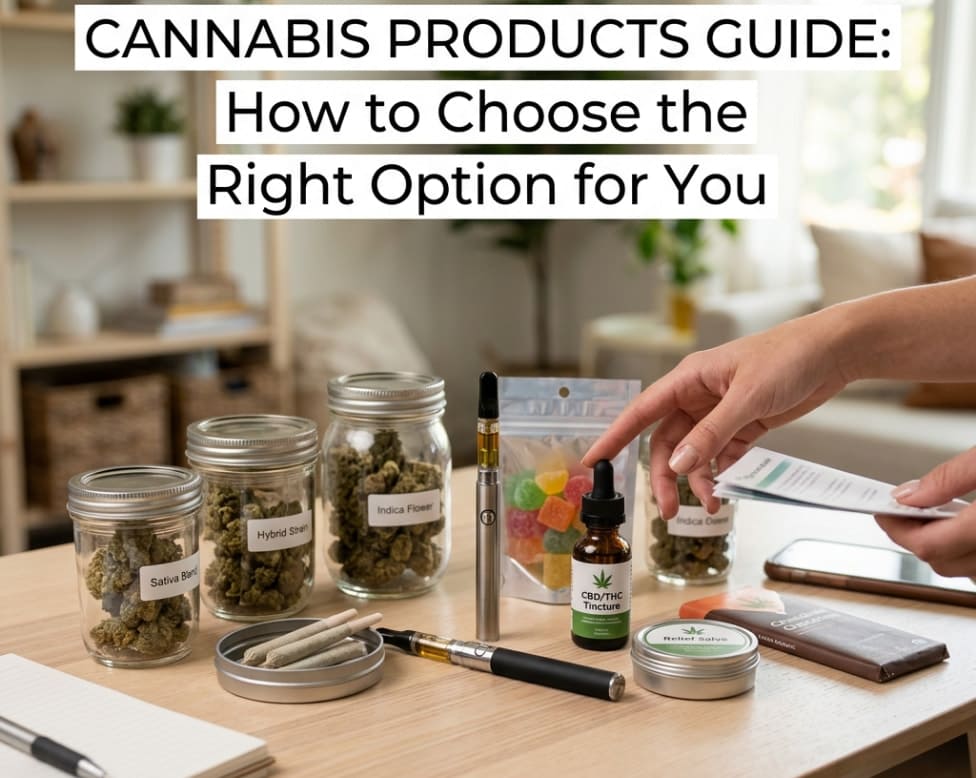
Cannabis Products Guide: How to Choose the Right Option for You

Table of Contents

  1. Understanding Cannabis Products Guide
  2. Matching Products To Your Needs
  3. Building Confidence Before You Choose
  4. Make Smarter Choices With Confidence

Have you ever looked at cannabis choices and wondered which one is right for you? Many people see oils, flowers, edibles, and other options, but having so many choices can feel confusing at first.

A good cannabis products guide can help you learn the basics and feel more confident when choosing a cannabis product. In this article, you will learn about different types, common effects, safety tips, and ways to find options that fit your needs.

Understanding Cannabis Products Guide

The best choice starts with learning about each type of product. Flowers are a common choice for people who enjoy a more traditional option. Oils are easy to measure, and edibles may last longer, though they can take more time to work.

Reading product labels can help you learn about strength, serving size, and use. Taking time to compare products can make choosing easier. Clear labels also help new users feel more comfortable when shopping.

If you visit Nola Cannabis Co. for information, ask questions about different products and how they are used. Learning from trusted sources can help you understand your choices. A little knowledge before buying can make the process much easier.

Matching Products To Your Needs

People often choose products based on what they want from the experience. Some prefer products for quiet evenings, while others want options that fit daytime use. Learning about common traits can help you choose a cannabis product that fits your daily routine.

Some people look for health effects after a busy day. Others care more about flavor, ease of use, or convenience. Your personal goals can help you make better choices.

Many people also hear about Indica products and other categories. These names can give a general idea of what to expect. Still, each person may have a different experience, so it helps to start with simple options.

Building Confidence Before You Choose

Before choosing a product, think about your needs and comfort level. What works well for one person may not be the best choice for another. Small differences in strength, timing, and use can affect the experience.

It is often best to start with simple products and learn over time. Paying attention to how you feel can help you find what works best for you. Careful choices can lead to a better experience and more confidence.

Keep your goals clear and learn from trusted sources. Taking things one step at a time can make the process easier. With patience and basic knowledge, you can feel more prepared to choose products that fit your needs.

Make Smarter Choices With Confidence

Choosing cannabis products does not have to be difficult. The best choices often come from learning about different forms, effects, and personal needs. A cannabis products guide can help you feel more informed and ready to decide.

As you continue learning, remember that simple research and careful choices can help you get better results. As you continue to learn, you will discover products that suit your lifestyle and boost your confidence in your decisions.

Did this guide help you? Browse the rest of this section for more advice on a variety of topics.


The Complete Taste Review: Ranking the Best Mr Fog Flavors Available Online

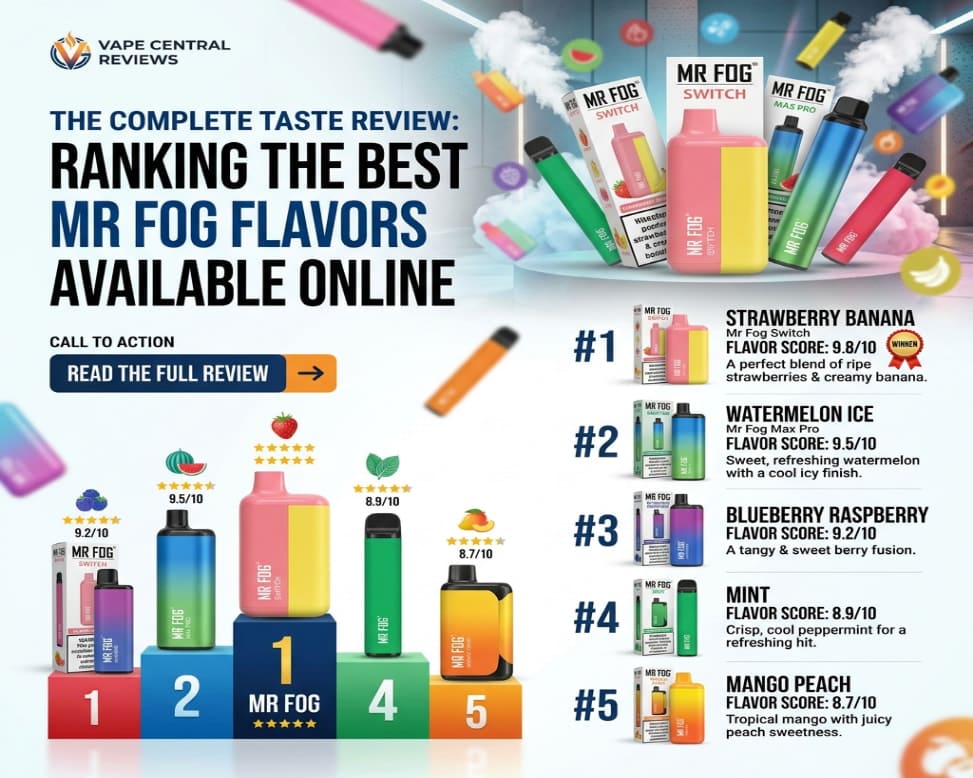
The Mr Fog Max Air MA8500 Flavors collection performs especially well for users who prioritize airflow comfort and smoother vapor production.

Airflow strongly affects flavor quality because uneven airflow can create harshness or weaken flavor intensity over time.

This lineup performs well in several important areas:

  • Smooth draw resistance
  • Stable vapor density
  • Cleaner flavor delivery
  • Controlled cooling sensation
  • Comfortable throat feel

Many users who regularly buy mr fog vape products appreciate the MA8500 series because the airflow remains balanced throughout longer sessions.

The flavors also feel cleaner and less overwhelming compared to some disposable devices that rely heavily on strong cooling effects.

For users searching through a vape store online, airflow comfort has become just as important as flavor variety itself.

MR FOG MAX 1000 Flavors: Best Compact Option

The MR FOG MAX 1000 Flavors lineup appeals more to users who prefer smaller and simpler disposable devices.

Although these devices offer lower puff capacity, the flavor quality still feels balanced and consistent during regular use.

Several advantages stand out:

  • Lightweight portability
  • Easy everyday usability
  • Comfortable vapor production
  • Balanced sweetness levels
  • Practical compact design

Some high-capacity devices become bulky or inconvenient for casual users. The MAX 1000 collection avoids this issue by focusing on portability while still maintaining respectable flavor quality.

Many beginners exploring a vape store online prefer simpler devices because they feel easier to carry and use throughout the day.
The flavor profiles in this lineup are generally smoother and more approachable for casual vaping sessions.

Ranking Mr Fog Flavor Categories by Overall Experience

Different users prioritize different features, but several patterns become noticeable when comparing the overall vaping experience across the major Mr Fog flavor categories.

Best for Flavor Consistency

MR FOG MAX PRO Flavors

  • Balanced sweetness
  • Reliable long-term clarity
  • Comfortable all-day use

Best for Airflow Smoothness

Mr Fog Max Air MA8500 Flavors

  • Stable airflow system
  • Smooth inhale sensation
  • Cleaner vapor production

Best for Portability

MR FOG MAX 1000 Flavors

  • Compact design
  • Lightweight handling
  • Simple daily usability

Consumers looking to buy mr fog vape devices often compare these categories depending on whether they prioritize portability, flavor balance, or smoother airflow.
This variety helps users choose devices that better match their individual vaping habits.

Why Modern Vape Users Prefer Balanced Flavors

The vape industry has shifted noticeably in recent years. Earlier disposable devices often focused heavily on extreme sweetness or overpowering cooling effects.

Today, many users prefer:

  • Cleaner fruit combinations
  • Controlled cooling intensity
  • Smoother airflow balance
  • Moderate sweetness levels
  • Consistent long-term flavor performance

The newest mr fog flavors reflect this trend clearly.Instead of relying only on intense flavor strength, many modern profiles are designed to remain comfortable throughout extended use sessions.

This shift matters because flavor fatigue has become a common complaint among disposable vape users. Overly strong flavors may feel exciting initially but can become unpleasant during regular use.

Balanced flavor design helps improve long-term comfort and overall device usability.

What to Consider Before Buying Mr Fog Vape Products Online

Before purchasing disposable vape devices, consumers should compare more than just flavor names or puff count claims.

Important factors include:

  • Airflow consistency
  • Battery stability
  • Flavor balance
  • Device portability
  • Vapor smoothness

Many users searching through a vape store online now read reviews carefully before making purchases because real-world performance often differs from marketing descriptions.
Understanding how different flavor collections perform can help users avoid products that become harsh or inconsistent over time.

The growing popularity of mr fog flavors comes partly from their ability to balance flavor quality with smoother hardware performance.

Final Thoughts on the Best Mr Fog Flavors Available Online

The disposable vape market continues evolving as consumers become more selective about flavor consistency and long-term comfort. Users now expect devices to maintain smooth airflow and balanced flavor delivery instead of simply producing strong sweetness for short periods.

The MR FOG MAX PRO Flavors, Mr Fog Max Air MA8500 Flavors, and MR FOG MAX 1000 Flavors each offer different strengths depending on individual vaping preferences.

For users looking to buy mr fog vape products through a trusted vape store online, understanding these differences can help create a more satisfying and reliable vaping experience.

As flavor technology and hardware design continue improving, balanced flavor performance will likely remain one of the most important factors shaping the future of disposable vaping.

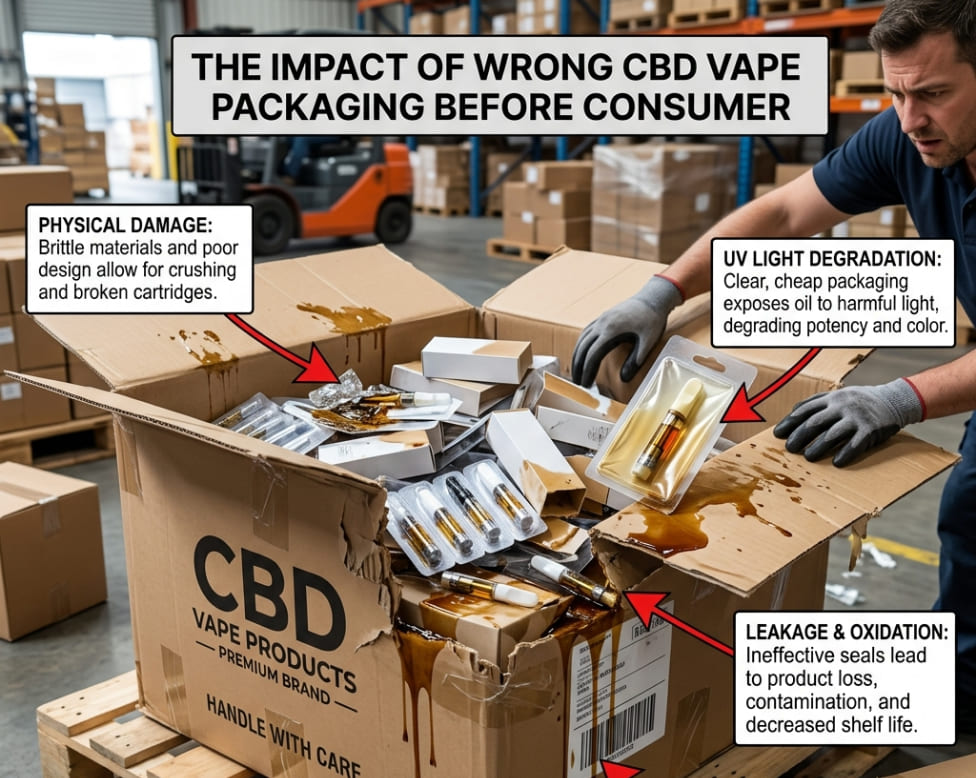
How the Wrong CBD Vape Packaging Damages Your Product Before It Reaches the Consumer

Most CBD brands spend months perfecting their formulation. They source quality hardware, invest in lab testing, and build a product they're proud of. Then they put it in a box that wasn't built for the job and ship it out the door.

The packaging decision feels minor compared to everything else that goes into a cannabis product. It rarely is.

For brands selling through delivery channels, the box or cart that ships in is the last variable a brand controls before the consumer forms their first impression. Get it wrong, and it doesn't matter how good the product inside actually is.

Here's what packaging failure actually looks like, what it costs, and what proper CBD vape cartridge packaging gets right that cheaper alternatives don't.

When Packaging Becomes Your Brand's Biggest Problem

For cannabis delivery providers and CBD companies that sell their products directly to consumers, the packaging becomes the last stage of quality control, as there will be no one on-site to inspect and pull the product before it reaches its destination.

There are several layers of security when you enter a legal dispensary, and there is a damaged product in question. Restocking employees notice a leaking cartridge before it goes out for sale. Someone picks up a box of flowers and notices something is not right. It is removed from sale, the company is notified, and the consumer is none the wiser.

Delivery doesn't work that way. The package that leaves the facility is the package the consumer opens. There's no staff inspection at the door. There's no shelf to catch a problem before it becomes a complaint. The consumer's first interaction with the brand is whatever state the product arrives in.

That changes what packaging has to do. It's not just a container. It's the brand's last quality control checkpoint, and in a delivery model, it's the only one that matters after the order is placed.

This is especially true in competitive delivery markets where consumers have no shortage of options and very little patience for brands that can't get a product to their door intact.

The Four Most Common Ways CBD Vape Cart Packaging Fails in Transit

The four most common CBD vape cart packaging failures in transit are seal integrity breakdown, structural compression failure, child-resistant closure non-compliance, and visible product condition changes on arrival, each of which reaches the consumer as a brand quality problem rather than a packaging problem.

Understanding where packaging fails is the first step toward fixing it. These four failure modes account for the overwhelming majority of delivery-related product complaints in the CBD and cannabis vape category.

Seal integrity breakdown

Cart packaging that is poorly sealed causes movement of the cartridge within the cart during shipping. Movement of the cart results in the separation of the mouthpiece from the body, and the oil moves towards the seal.

The consumer opens the box to find the product sitting in a pool of leaked oil. The cart itself may be perfectly functional. It doesn't matter. The consumer sees a mess and attributes it to product quality, not packaging design.

A proper closure seal creates a positive lock that holds regardless of how many times the package is repositioned, dropped, or stacked during transit.

Structural compression failure

Thin-walled boxes that weren't designed for transit stacking compress under the weight of other packages. A compressed box transfers that force directly to the cart inside.

Glass carts crack. Ceramic mouthpieces chip. Metal components bend. The structural integrity of a dispensary shelf never gets exposed the moment a package goes into a delivery bag with several others on top of it.

Transit-grade CBD vape cartridge packaging needs wall construction that can withstand real compression loads, not just look good on a product page.

Child-resistant closure failure

Not all child-resistant packaging is equal. A closure that looks CR-compliant but hasn't been tested and certified to Consumer Product Safety Commission standards isn't actually child-resistant. It's a liability.

California and most other legal cannabis states require packaging that meets federal CR standards under the Poison Prevention Packaging Act. Packaging that fails this requirement doesn't just create a compliance problem. It creates a consumer safety problem that no brand wants its name attached to.

The distinction between a certified CR mechanism and a friction-fit imitation that looks similar from the outside matters more than most brands realize until there's a problem.

Visible product condition on arrival

Some packaging errors do not occur due to leaking or damage; rather, they result from perceptions.

A window cut that shows oil discoloration. A box that arrived damp and smells faintly off. A cart that shifted enough to show visible wear on the mouthpiece.

None of these means the product itself is compromised. But they give the consumer a negative first impression before they've taken a single draw, and first impressions in a delivery model are very hard to recover from.

Custom vape cartridge boxes built with opaque exteriors and secure interior trays eliminate this failure mode entirely by controlling what the consumer sees when they open the package.

What a Single Packaging Failure Actually Costs Your Brand

A single CBD vape cart packaging failure at the point of delivery generates at minimum four compounding business costs: customer service time, product replacement, permanent review damage, and lost repeat purchase revenue, none of which appear on the original packaging cost comparison.

Packaging decisions almost always get evaluated on unit cost. The question brands ask is: how much does this box cost per unit? The question they should be asking is: how much does a failed delivery cost the business?

Here's what one packaging failure actually generates:

  • Customer service time: a complaint requires a staff member to respond, verify the issue, document it, and process a resolution. Even a quick complaint costs 15 to 20 minutes of staff time at a minimum.
  • Replacement cost: The majority of brands provide a replacement product along with re-shipping it. This means that the cost of replacing one product and shipping another product becomes the cost of the initial purchase.
  • Review damage: a consumer who receives a damaged product and leaves a one-star review citing product condition has created a permanent public record. That review stays on the brand's profile and influences every future consumer who reads it.
  • Repeat purchase loss: There is clear evidence from studies demonstrating that customers who had an unpleasant experience with delivery had a much lower likelihood of repurchasing, even after the brand managed to resolve the complaint to their satisfaction.

Put this into real numbers. A brand fulfilling 500 orders per month with a 3 percent packaging failure rate is dealing with 15 complaints monthly.

That's 15 replacement shipments, 15 potential negative reviews, and 15 consumers with a statistically reduced likelihood of reordering.

Multiply that across 12 months, and the cost of cheap packaging far exceeds any per-unit savings it produces.

Why Delivery Packaging Faces a Harder Test Than Retail Shelf Packaging

The cannabis delivery packaging experiences some environmental challenges that retail shelf packaging will never experience, such as exposure to sunlight during transit, fluctuating temperatures between the facility and the consumer’s door, and pressure from other packages. These packaging challenges will not arise under the ideal conditions of a dispensary environment.

A product sitting on a dispensary shelf lives in a controlled environment. The lighting is consistent. The temperature is regulated. Nobody stacks other products on top of it.

The packaging only needs to protect the product while it sits still and looks good. Delivery packaging faces a completely different set of conditions from the moment it leaves the facility:

  • Exposure in transit vehicles: Packages will be placed in delivery vehicles, where dashboard temperatures may reach as high as 130 degrees Fahrenheit. The seals that remain secure at room temperature may break down due to sustained heat.
  • Physical handling: a delivery bag with multiple orders gets loaded, unloaded, carried, and set down repeatedly. Each handling event is a stress test the packaging either passes or fails.
  • Stacking pressure: packages get stacked on top of each other during transit. A thin-walled box at the bottom of a stack takes compression loads it was never designed for.
  • Time in transit: a delivery package might sit in a vehicle for several hours before reaching the consumer, extending every environmental exposure.

Licensed cannabis delivery operators, including those offering weed delivery Rocklin and other California markets, navigate these conditions on every single order. Every delivery is a packaging field test. The brands whose packaging passes that test consistently are the ones that build repeat customer bases in delivery markets.

What Proper CBD Vape Cart Packaging Actually Looks Like

There are five essential features that must be met by CBD cartridges to ensure they meet delivery requirements. These are structural compression resistance, positive lock seal, CPSC-approved child-resistant closure, an internal securing system that prevents movement of the cartridge during transportation, and an opaque outer barrier.

Knowing what good packaging looks like makes it easier to spot where cheaper alternatives cut corners.

Here are the five things proper delivery-grade vape cart packaging gets right:

  • Structural compression resistance: the box walls hold their shape under sustained compression without transferring force to the cart inside. This requires a minimum wall thickness and board grade appropriate for transit stacking, not just shelf display.
  • Positive-lock seal: the closure mechanism creates an audible or tactile confirmation of engagement and doesn't release under vibration or positional changes during transit. Push-tuck closures that rely on friction alone don't qualify.
  • CPSC-certified child-resistant mechanism: the CR closure has been tested and certified to meet federal standards under the Poison Prevention Packaging Act, meaning it passes both the child-resistance test and the senior-accessible test. According to the U.S. Consumer Product Safety Commission, packaging claiming CR compliance must meet specific testing protocols, not just resemble a CR design.
  • Interior securing system: a foam insert, a formed cardboard tray, or a custom die-cut interior holds the cart stationary regardless of how the package is oriented or handled. A cart that can slide freely inside its box will eventually contact a surface hard enough to damage it.
  • Opaque exterior on all sides: no window cuts, no translucent panels, no gaps in the exterior material that expose the cart or its contents to light or outside inspection.

The vape pen cartridge packaging category has matured significantly in the last few years. Brands now have access to delivery-grade options that meet all five criteria without the minimum order quantities that once made quality packaging inaccessible to smaller operators.

Frequently Asked Questions

What is the most common reason CBD vape carts leak during delivery?

Inadequate seal integrity in the packaging closure is the main cause of cartridge leakage when delivering CBD vapes. This issue causes the cartridge to move from its position until either the mouthpiece falls off or oil leaks to an area that is not sealed, an issue that can be resolved using a positive lock closure system.

Does CBD vape cart packaging need to be child-resistant by law?

In California and most other legal cannabis states, vape cart packaging must meet federal child-resistant standards under the Poison Prevention Packaging Act, which is enforced by the U.S. Consumer Product Safety Commission and requires packaging to pass both a child-resistance test and a senior-accessible test conducted under certified testing protocols, not simply to resemble a child-resistant design.

What is the difference between retail shelf packaging and delivery-grade packaging for vape carts?

Retail shelf packaging is designed for a controlled environment with stable temperature, consistent lighting, and no transit stress, while delivery-grade packaging must withstand vehicle heat exposure, repeated physical handling, stacking compression from other packages, and extended time in transit, conditions that expose structural and seal weaknesses that a dispensary shelf environment would never reveal.

How do I know if my current vape cart packaging is causing customer complaints?

The clearest signal that packaging is causing customer complaints is a pattern of delivery-related issues, including leaking, broken carts, or negative reviews citing product condition on arrival, particularly if the same product receives no complaints through retail channels, which indicates the product itself is not the problem, but the packaging's ability to survive transit is.

What should I look for when ordering custom vape cartridge boxes for a delivery operation?

When ordering custom vape cartridge boxes for delivery fulfilment, brands should verify five specific characteristics: documented compression resistance appropriate for transit stacking, a positive-lock closure seal, a CPSC-certified child-resistant mechanism with testing documentation, an interior securing system that immobilizes the cart, and fully opaque exterior material on all sides with no window cuts that expose the product.

Conclusion

The packaging a CBD brand ships in is not a neutral decision. It either protects the product through every condition between the facility and the consumer's door, or it becomes the reason a good product gets a bad review.

For delivery operators specifically, there is no safety net between packaging failure and consumer perception. The box is the brand experience.

Investing in CBD vape cartridge packaging built for transit conditions is not a premium option. For any brand serious about repeat customers through a delivery channel, it's the only option that makes financial sense once the real cost of a failed delivery is added up.

How Much Nicotine Is In A Vape And What Those Numbers Actually Mean

If you ever stood in front of a vape shop display you saw numbers like 20mg or 3% written on every box. Most people pick one randomly without understanding what it actually means. How much nicotine is in a vape anyway? 

Choosing wrong nicotine strength can make your first experience terrible. Too strong and you cough your lungs out. Too weak and you feel nothing at all. Let me explain everything about vape nicotine levels in simple words today. 

What Those Nicotine Numbers Actually Mean 

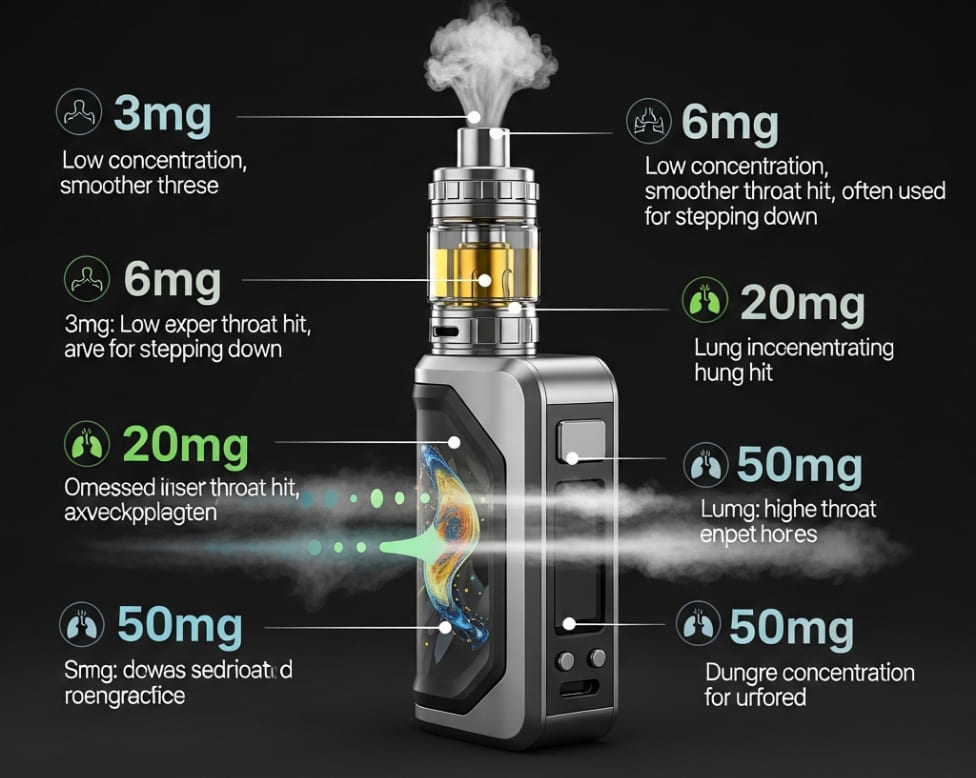
First thing you need to understand is how people measure nicotine content in vape. You will see two types of numbers written on packaging. One is milligrams usually written as mg. The other is percentage sign. Both tell exactly same thing just in different way. 

1% nicotine means there is 10mg of nicotine in every milliliter of vape juice. So 2% equals 20mg and 5% equals 50mg. How much nicotine is in a vape depends entirely on this number. The bottle or device size does not change how strong each puff feels. A small 1ml vape with 20mg feels same strength as big 10ml bottle with 20mg nicotine. 

Common Nicotine Strengths You Will Find 

Vapes come in few standard nicotine strength in vapes that almost all brands use. Each level works for different type of user. 

Zero Nicotine Vapes 

Zero nicotine means exactly what it says. No nicotine at all inside. These are for people who like vaping habit but do not want nicotine anymore. Many long term vapers slowly lower their strength until they reach zero. 

Low nicotine levels 

Low strength ranges from 3mg to 6mg or 0.3% to 0.6%. This is very mild strength. Good for people who vape casually or used to smoke very light cigarettes. One puff gives very small hit of nicotine you barely notice. 

Medium nicotine levels 

Medium strength is 10mg to 12mg or 1% to 1.2%. This is most popular strength for people who used to smoke regular cigarettes. It gives enough nicotine to satisfy craving without feeling too harsh in throat. 

High nicotine levels 

High strength starts from 18mg up to 50mg or 1.8% to 5%. Almost all disposable vapes you see today come in 20mg or 50mg strength. This is very strong. New vapers should never start with this strength. 

How Strong Is Vape Nicotine Compared To Cigarettes 

Most people want vape nicotine comparison to regular cigarette. This is tricky but I will try explain simply. One average cigarette has about 10mg to 12mg of nicotine inside. But you only absorb around 1mg of that nicotine when you smoke whole cigarette. 

Vape nicotine works differently. A 20mg disposable vape has total nicotine equal to about 20 cigarettes. Most people say one 20mg disposable lasts them same as one pack of cigarettes. 10mg vape strength feels similar to light cigarette. 20mg feels similar to regular full strength cigarette. 50mg feels much stronger than any cigarette you can buy. Remember this when choosing your first vape. 

Nicotine In Disposable Vapes vs Refillable Vapes 

There is big difference between nicotine in disposable vapes and nicotine in refillable vape juice. Almost all disposable vapes use something called salt nicotine. This type of nicotine hits fast and feels smooth even at high strengths. This is why you see 50mg disposable vapes that do not burn your throat. 

Refillable vapes usually use freebase nicotine. This type feels much harsher at same strength. 20mg freebase nicotine feels way stronger than 20mg salt nicotine. How much nicotine is in a vape feels very different depending on what type of nicotine it uses. 

All this information must be printed clearly on custom vape boxes by law. Good custom disposable vape boxes always shows both mg and percentage numbers clearly on front of box. We also see many new brands adding small explanation on custom vape cartridge packaging to help new users understand strength levels better. 

How To Choose Right Nicotine Strength For You 

Picking right nicotine strength is most important thing when buying vape. If you just quit smoking one pack a day start with 20mg salt nicotine. This will satisfy your craving perfectly. If you smoked less than half pack a day 10mg or 12mg is probably enough for you. If you only smoke occasionally on weekends 6mg will work fine. Never start with 50mg if you are new. That strength is only for very heavy smokers who smoked two or more packs per day. Starting too strong will make you feel dizzy and sick and you will hate vaping completely. You can find many vape nicotine charts online, but this simple rule works for almost everyone. Start a little lower than you think you need. You can always go higher but starting too strong will ruin the whole experience.

Protective packaging plays a major role in keeping glass beaker bongs safe before they reach the customer. Since glass accessories are fragile, brands usually use thick cardboard boxes with internal padding or molded inserts to hold the item firmly in place. This prevents movement inside the box and reduces the risk of cracks or chips during delivery. Many companies also choose printed packaging that clearly displays product information and branding while maintaining a clean retail look. Durable cbd boxes packaging can include layered protection, strong outer material, and custom inserts so the product stays secure from warehouse storage to the final customer's doorstep.

Conclusion 

So now you understand how much nicotine is in a vape and what all those numbers actually mean. Remember 1% equals 10mg per ml. 20mg is most common strength that works for most ex smokers. Salt nicotine feels much smoother than freebase nicotine at same strength. Always check nicotine number before buying any vape. Choosing right strength makes whole difference between good experience and bad one. Next time you stand in front of vape display you will know exactly what you are picking and you will not have to guess anymore.