

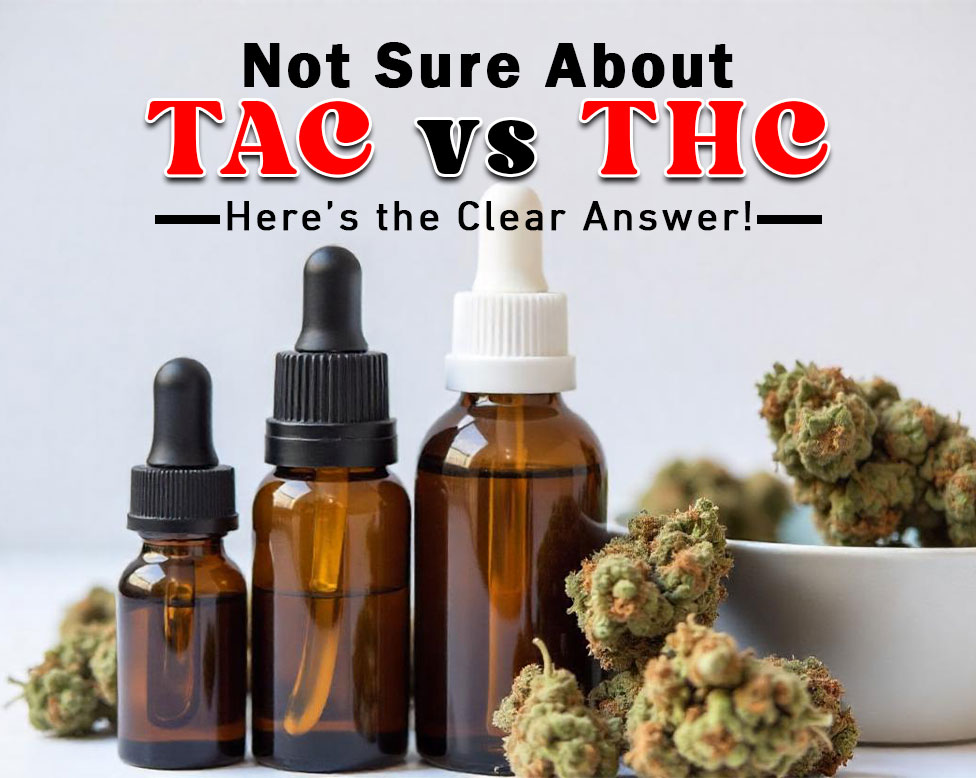
Cannabis products have many terms such as THC, TAC, and more. People ponder about the true meaning of TAC vs THC.
There are many medical and recreational uses of cannabis products. This has made them very popular in a short time. That’s why knowing about these products is crucial.
Knowing the differences between TAC and THC allows you to choose better products. No matter if you want to use them personally or to package them for retail purposes.
So, why wait any longer? Start reading!
What Exactly is TAC?
It stands for Total Active Cannabinoids. This term means the total amount of active cannabinoids found in a cannabis product. That includes:
- THC
- CBD
- CBN
- CBG THCA
- CBDA
TAC tells you how much cannabinoid content your product has in total.
If a product has a label of TAC, it means the product contains several active compounds. This can affect the potency of the product and how it works with your body.
What Really is THC?
Its full form is Tetrahydrocannabinol. This is the compound that makes you feel high. It affects your pain and appetite. It also alters your mood and memory.
People don’t know that there are different types of THC, such as:
- Delta-9 THC –the one responsible for the high.
- THCA – the raw form of THC that is found in the plant
- Delta-8 and Delta-10 THC – less intense versions with mild effects.
So when someone asks “What is delta 9 THC?”, they’re referring to the most well-known, active version of THC that produces strong effects.
TAC vs THC: The Real Difference
Let’s clear up the main difference between TAC and THC:
- THC is one cannabinoid.
- TAC includes THC and many others.
THC is a single ingredient and TAC is the full recipe.
A cannabis product that has high TAC may have full-body effects than one which has high THC. This is due to the entourage effect. In it different cannabinoids work together to improve results.
THCA vs THC: Which One is Stronger?
Another common query is: THCA vs THC, which is stronger?
The answer is: THCA is not psychoactive in its raw form. It only becomes THC after being heated through smoking, vaping, or baking. Once converted, it can be quite potent.
If you're buying a product high in THCA, just know that you won’t feel “high” unless it’s been decarboxylated (heated).
Does THC Cause Acne?
This is still being studied, but some users believe high THC levels can affect the skin. Why?
- THC may increase oil production in some people.
- It may cause hormonal changes.
- Stress relief from THC could also reduce breakouts for some.
So, does THC cause acne or not? It depends on your body. Everyone reacts differently. Packaging companies should always include clear labeling so users understand what they’re getting and can consult with professionals if needed.
What Does "No THC/PHN" Mean?
Ever seen a label with 10dsp/no THC/PHN or something similar?
This usually means:
- No THC, means the product has a non detectable level of THC.
- PHN could refer to pharmacy or physician notes, often in clinical or medical packaging.
In short, it’s a way to assure consumers the product is THC-free, especially important for CBD items meant for wellness, kids, or pets.
How Packaging Matters in THC and TAC Products
In the cannabis world, packaging is about compliance, safety, and information.
When you’re dealing with TAC and THC-based products, the packaging must:
- Clearly state cannabinoid levels (like THC and TAC)
- Be tamper-proof and child-resistant
- Follow local and state cannabis packaging laws
- Protect the product from light and moisture
- Include batch numbers and expiration dates
If your product contains high TAC or THC levels, your label must reflect that. And if you're selling THC-free CBD, make sure “No THC” is clearly visible.
That’s where professional packaging companies like CBD-Boxes step in.
Texas and THC: What You Should Know
You may have heard recently: Texas Senate passes bill banning all THC products. This caused confusion for many cannabis companies and consumers.
What is its meaning?
It is a bill that restricts the sale of synthetic THC products. These include Delta-8 and Delta-10. Normally, they’re sold without regulation. The concern is over safety and strength.
As laws change, packaging must adapt fast. If you’re selling in Texas or anywhere else with strict rules, you’ll need up-to-date compliance packaging that changes with the law.
Why TAC vs THC Matters for Consumers
Knowing about TAC vs THC helps people make better choices.
- Want something mild? Choose low THC but high CBD.
- Want strong effects? Look for high TAC and Delta-9 THC.
- Want to avoid getting high? Choose TAC products with no THC or high CBD/CBG levels.
Always read the labels and packaging. It’s the first clue to what’s inside the product.
Why It Matters for Packaging Companies
For packaging companies, these details are critical.
Designing boxes or labels without accurate cannabinoid info can lead to:
- Legal trouble
- Product recalls
- Consumer confusion
If you're a cannabis brand or CBD retailer, you need a packaging partner who understands TAC vs THC, how they work, and how to legally label them.
The Role of Mood, Delivery, and Form
Different THC or TAC levels can also affect mood. Some users report better sleep, less anxiety, or improved focus depending on the strain and cannabinoid mix.
Product form also plays a role:
- THC Inhalers: Quick effect, discreet use
- Edibles: Longer-lasting but slower to kick in
- Oils: Precise dosing
- Topicals: Localized effects (like 1 to one THC CBD hemorrhoid cream)
Your packaging must suit the product. For example, oils need dropper bottles, while creams require squeezable tubes. A vape pen will need a secure, odor-proof box with warnings.
Final Thoughts: Choose Smarter, Package Better
In the cannabis world, the difference between TAC and THC is more than just letters. It’s about how the product works, what’s inside, and what kind of experience a user will have.
If you’re a customer, always check the label. If you're a brand, be clear and compliant with your packaging.
CBD-Boxes specializes in customized, legal, and smart CBD packaging for all cannabis and CBD products. We help you present your products professionally, meet legal standards, and protect your reputation.
Let us help you design packaging that educates and empowers. Because in this industry, informed customers are happy customers and smart packaging builds trust.