

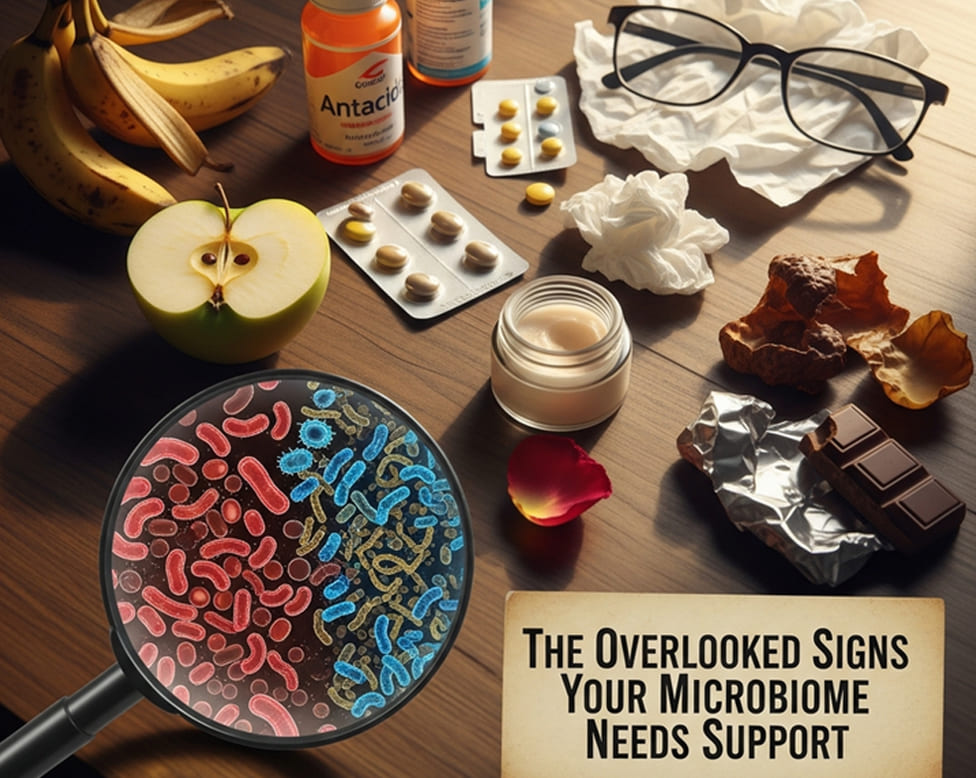
Gut became a celebrity lately, but behind the gut trend are some facts. The collection of bacteria and microbes living in your digestive tract influences far more than digestion. It affects your mood, your immune system, and even how your skin behaves. Trouble is, when your microbiome starts to fall out of sync, it doesn't always announce itself. Shift in energy, sleep, or even focus can all trace back to that ecosystem working overtime inside you.
How Everyday Choices Shape Gut Microbiome
Your microbiome is constantly adapting to what you feed and how you live. A diet high in food, little sleep, stress, or constant antibiotic exposure can throw that community off balance fast. It's not about perfection but about consistency. Fiber, fermented foods, and hydration lay a foundation for bacteria to thrive, and movement helps digestion keep pace.
That said, habits tend to stack up. A week of takeout or skipped meals may not cause chaos, but a month of imbalance can start to show up in place. People often think digestive distress is the main red flag, but changes in skin texture, irritability, or brain fog can also point to microbiome trouble. Even recurring yeast issues or fungal infections can sometimes be linked to a gut environment that's lost its edge.
Gut-Brain Conversation
One of the discoveries in health research is the two-way dialogue between your gut and brain. They communicate through the vagus nerve, immune molecules, and even bacterial metabolites that can affect mood and focus. That's why anxiety or sadness sometimes show up alongside stomach issues. It's not just a coincidence.
Stress management becomes essential here because stress hormones shift how your gut behaves. They can slow motility, alter acid production, and change bacterial balance. Sleep plays its part too. The microbiome resets overnight, so insomnia or a schedule chips away at that recovery time. Even light exposure and the timing of meals can influence bacterial rhythm.
Natural Support That Actually Helps
There's a reason people keep turning to plant-based and botanical remedies for digestive support. Many have properties that can recalibrate your gut without wiping out microbes along the way. That's where, whether it's Kine tinctures, Charlotte's Web balm, or anything in between, CBD is a game-changer here. It's been shown to support the body's response and calm the nervous system, both of which play into gut regulation. When stress eases, digestion tends to follow.
Beyond CBD, adjustments like a teaspoon of apple cider vinegar before a meal, adding vegetables like onion and leek, or using tea with ginger or peppermint can make a difference. They may seem small, but that's often what works best for the gut: interventions that nudge the balance back without overwhelming the system.
When To Pay Attention
Everyone's microbiome has a fingerprint, so symptoms vary. Still, patterns emerge when things start slipping. Stomach after every meal. A sudden intolerance to food that never used to bother you. Fatigue that doesn't improve with rest. Skin flare-up that feels but seems to mirror digestive discomfort. These aren't events. They're bodies' way of saying their environment needs care.
It's worth noting that gut doesn't respond well to extremes. Diet, detox, and cleanse can strip away both harmful and helpful bacteria. A better approach is gradual and restorative. Feed your microbiome with food, recognize and hydrate, and manage stress where you can. Healing happens over a week, not a day.
Rebuilding Balance From Inside Out
Think of gut repair less like a plan and more like tending a garden. You're not forcing anything. You're creating a condition where growth outpaces weeds. Over time, energy stabilizes, mood evens out, and digestion finds rhythm again. The microbiome also teaches your immune system what to ignore and what to attack, meaning fewer overreactions to allergens or pathogens.
What's interesting is how people often notice a shift first—thinking, morning, and fewer sugar cravings. These are signs that signal your gut-brain connection is resynced. Once your microbiome feels supported, your body starts acting like it remembers how to work with you instead of against you.