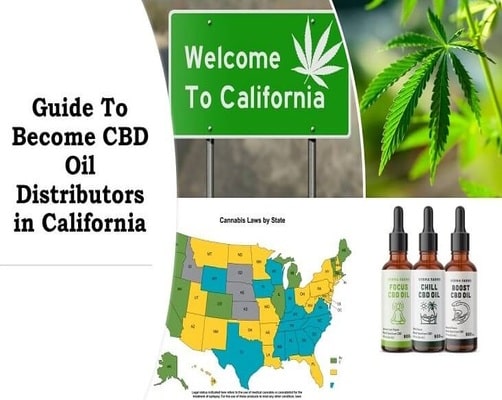
Every state in the US has different CBD rules and laws that are regulated by the state and not by federal law. Some states allow CBD use for medicinal purposes and some for recreational purposes, while some allow both. A few states in the US have just legalized CBD products containing low content of THC for medical use. Even the grant of licenses for processing, selling, and distribution is also regulated and varied from state to state. Obtaining licenses to launch a CBD business is a complex process; you must fulfill numerous requirements and adhere to specific guidelines to penetrate the state's CBD market.
The CBD, which was non-psychoactive, was first legalized in the year 2014 under SB 124 in Kentucky. This bill has no provision regarding the sale and production of CBD products apart from medical terms. The CBD products containing less than 0.3% of THC are legal for all Kentucky consumers.
In this article, we discuss the regulations, policies, and laws governing CBD for you to be aware of when planning to start a CBD business in Kentucky.
CBD Regulations in Kentucky
In Kentucky, the harvesting and cultivation of hemp became legalized by the Farm Bill in 2014, and in the same year, SB124 was passed for the patients to access the CBD derived from the hemp plant but on a doctor’s prescription. The cannabis products derived from the cannabis plant are illegal for medicinal use in Kentucky. The Kentucky Department of Agriculture has been given the responsibility to oversee the Kentucky hemp regulations.
House bill 333 has clearly defined that CBD containing less than 0.3% THC has the legal status for consumption and sale but it must be derived from hemp. In 2018, HCR35 was published before the Farm Bill that urged the FDA to separate hemp from marijuana and schedule it as a class 1. After the Farm Bill, Kentucky approved House Bill 197 to align the definition of hemp with federal laws.
CBD Sales Statistics in Kentucky
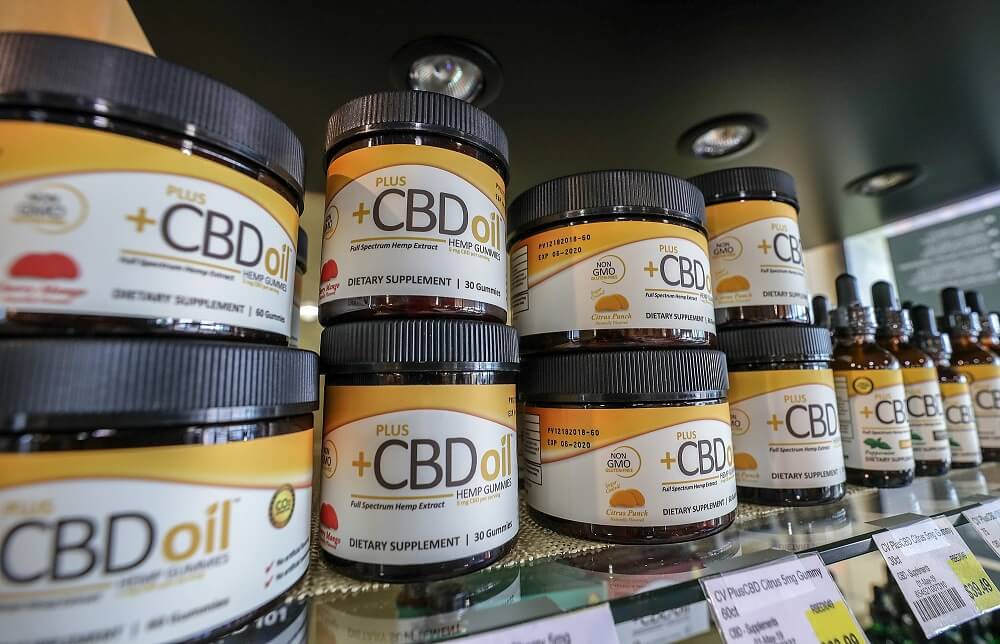
When looking at the Kentucky CBD sales statistics, you will get to know that in 2018 the sales of hemp were 57.75%, which was a drastic upgrade from the year 2017 when sales fell to $16.7 million. These sales were from local chains and some health stores. As CBD products demand more and more, the CBD business in Kentucky is coming and flourishing. You can see more CBD products on the shelves.
Business Licensing
If you want to start a CBD business in Kentucky, then you must get yourself familiar with the niche of your business and its related regulation for a state license. The Kentucky Department of Agriculture is responsible for conducting the management and state hemp programs. Only those people are allowed to have a business in CBD who are licensed from the Department of Agriculture. Cultivation licenses are for those who want to start harvesting CBD and hemp plants but make sure that the THC content is less than 0.3%.
-
Those who apply for cultivation licenses have to undergo criminal background checks.
-
To qualify for the business license in CBD, you must be clear from any drug-related conviction within the last 10 years
-
For cultivation, the state department can check for the hemp crop about the THC content
-
For processors and growers, they are obliged to keep the lab records of THC content testing for a minimum of 3 years for the availability to the department of agriculture and law enforcement officials.
-
For marketing, distribution, and selling of CBD products derived from hemp are prohibited without the licenses issued by the Kentucky Department of Agriculture.
Conducting CBD Business
Although the CBD business in Kentucky is blooming, the laws are still restrictive; even the Farm Bill clarifies the legal status of cannabis to be derived from hemp and contain less than 0.3% THC, which seems to have been confusing. This is the reason you must research for your business in a particular niche and gather as much information as possible. But we all know the fact that Kentucky has relaxed rules for CBD and hemp laws, making it a good way for the business to be active in this field that has generated millions in revenue and also created various business opportunities.
The confusions about CBD and hemp in-state are because of a lack of consumer protection, which means unlicensed companies are making their way into the cannabis market. One of the best ways to conduct CBD business in Kentucky is to go through all the legal pathways for your business and produce products as per state CBD laws. Either you want a cultivation, processing, marketing, distribution, or selling business plan; go through proper licensing to avoid any penalties and loss.