6 Differences Between 7-Hydroxymitragynine and Kratom To Know

When come to understanding kratom and component, one name that often comes up is 7-hydroxymitragynine. While two are linked, they are not same, and understanding their difference is key to gain a clearer perspective. From their chemical structure to their role in research and consumer discussion, these difference shape way people talk about them. In this blog, we break down six important distinction between 7-hydroxymitragynine vs kratom to help you see where they overlap and where they stand apart.
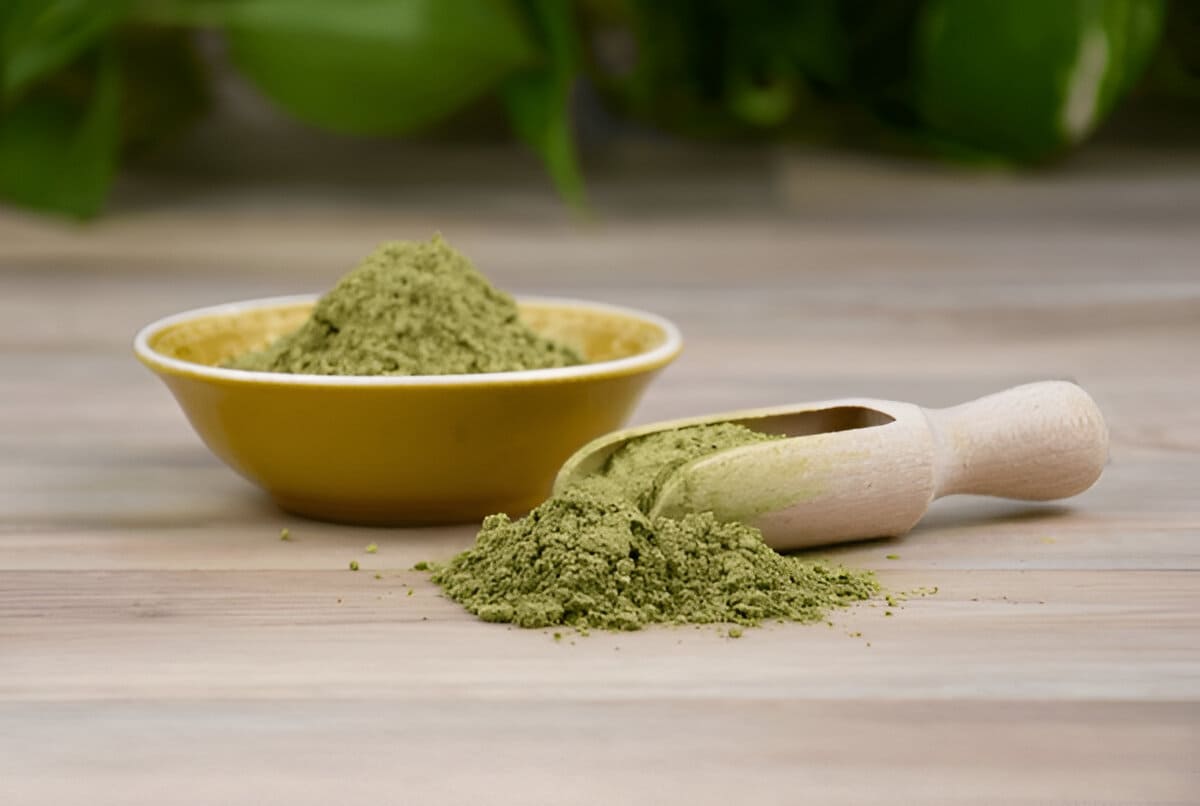
Image source

Know Difference Between 7-Hydroxymitragynine and Kratom

Source

A key difference between 7-hydroxymitragynine and Kratom lie in their source. Kratom is typically present in form, where leaf is sun-dried and ground into powder or use in other product type.

On other hand, 7-hydroxymitragynine is not find in same raw way—one is generally lab-derive or chemically enhance to exist as a compound. This distinction between a prepare product and a laboratory derivative set foundation for understanding how two are viewed and used differently.

Active compound

A key difference between 7-hydroxymitragynine and Kratom is find in their active compound. Kratom contains a variety of alkaloids that work together, offer a profile shape by multiple components.

In contrast, 7-hydroxymitragynine is singular, often present in a pure or high concentration form that highlights primarily 7-OH compound alone. This distinction between a broad alkaloid mixes and a single compound defines how each is categorized and understood.

7-OH level

A key difference between 7-hydroxymitragynine and Kratom lie in 7-OH level. In Kratom, concentration of 7-hydroxymitragynine is typically low, form only a part of overall alkaloid profile.

In contrast, 7-hydroxymitragynine, as a compound, can contain concentrations that are up to ten times higher than what is found in Kratom. This difference in level helps distinguish between two and highlights why they are often considered separately in discussion.

Potency

A key difference between 7-hydroxymitragynine and Kratom is their potency. Kratom generally provide a mild to moderate experience with effect that feel balance, reflect combination of multiple alkaloid present in leaf.

In contrast, 7-hydroxymitragynine is strong, fast-acting, and intense, often produces a response due to singular, high-level composition. This difference in potency is one of main factors that separate two in both perception and use.

Action

A key difference between 7-hydroxymitragynine and Kratom lie in their action. Kratom exhibit receptor activity, interact with multiple pathways due to variety of alkaloid contain.

In contrast, 7-hydroxymitragynine is selective, primarily target mu-opioid receptor. This specificity in action sets 7-hydroxymitragynine apart from interaction see with Kratom.

Safety

A key difference between 7-hydroxymitragynine and Kratom is their safety profile. Kratom has a history of use and is generally considered well-tolerant at moderate dose, benefit from a balance mix of alkaloid.

On other hand, 7-hydroxymitragynine is study and present a level of potency, which contributes to a comparatively risk. This distinction highlight needs to consider how each is approach and handle differently.

Closing Line

Understanding difference between 7-hydroxymitragynine and Kratom help clarify why they are often discussed separately. From their source and active compound to 7-OH level, potency, action, and safety consideration, each distinction highlights how two vary in composition and characteristic. Kratom offer a balance profile with multiple alkaloids, while 7-hydroxymitragynine is a compound with trait.

Exploring the Therapeutic Benefits of Magic Mushrooms in Recovery

Curious about something?

Magic mushrooms are getting a lot of attention in the recovery world. Science is finally starting to unlock the potential these little fungi have in treating addiction and mental health conditions.

Magic mushrooms contain psilocybin, a compound with a long history of recreational and spiritual use. In recent years, scientists have been revisiting psilocybin's therapeutic potential after decades of being unfairly demonized and prohibited.

Traditional recovery programs work. But not everyone benefits. Millions of people develop addictions each year and the majority (about 75%) will eventually recover on their own or with treatment. That still leaves a huge population struggling to break free of substance use disorders with limited options.

Enter magic mushrooms.

In this article we'll cover:

  • How Magic Mushrooms Work In Your Brain
  • The Science Behind Psilocybin Recovery Treatment
  • Real Results From Clinical Studies
  • Why Traditional Recovery Sometimes Falls Short
  • Safety And Considerations For Treatment

How Magic Mushrooms Work In Your Brain

Magic mushrooms are more than just fun and games. They contain psilocybin, a psychoactive compound that directly impacts the serotonin system in your brain.

When you take psilocybin, it's converted to psilocin in your body. Psilocin then binds to serotonin receptors all over your brain, causing a "cascade" effect that changes how your brain functions.

Here's the key part…

Psilocybin and similar substances are unique in that their therapeutic effects seem to occur almost immediately following ingestion. Rather than taking weeks or months to slowly build up like a traditional antidepressant, one dose of psilocybin will alter brain function and activity, at least temporarily.

The research shows this is due to the compound's ability to:

  • Increase connectivity in your brain
  • Reduce activity in the default mode network (responsible for self-referential thoughts)
  • Create new neural pathways and patterns of thought that can circumvent addictive thinking
  • Promote neuroplasticity and brain healing

Think of it this way: Addiction carves deep grooves in your brain, making it easier to fall back into unhealthy habits. Psilocybin helps create new pathways so your brain has alternative routes it can take instead of addiction.

Psilocybin's effects in the brain are part of what makes it such an effective therapeutic tool when administered in a safe, controlled setting.

The Science Behind Psilocybin Recovery Treatment

It's a pretty remarkable process once you start digging into the science. Johns Hopkins researchers reported that 75% of patients showed treatment response and 58% achieved remission at 12 months when treating major depression with psilocybin.

That's massive.

For addiction specifically, research indicates psilocybin is a safe and promising treatment option for:

  • Alcohol use disorder: reducing heavy drinking days
  • Tobacco use disorder: people with multiple failed quit attempts
  • Opioid addiction: combined with therapy and other support systems
  • Cocaine addiction and other stimulant use disorders: breaking psychological dependence

The FDA granted "breakthrough therapy" designation for psilocybin to treat depression in 2018 which accelerates research and development.

But here's what makes psilocybin so different from traditional treatments…

Real Results From Clinical Studies

The numbers speak for themselves. Clinical trials are reporting some pretty amazing results:

Depression Treatment:

  • Depression scores dropped from an average of 22.8 to 8.7 within one week of treatment
  • Treatment effects lasted up to 12 months in most patients
  • 67% of participants showed greater than 50% reduction in symptoms

Addiction Recovery:

  • Significant reduction in substance use in combination with therapy
  • Patients reporting sustained changes in outlook and motivation
  • Reduced relapse rates compared to traditional treatment alone

The best part is these aren't just temporary improvements. Psilocybin and other psychedelics seem to have lasting benefits long after the compound is out of the system.

The secret? It's not the drug working alone. Effective psilocybin treatment integrates the compound with hours or even days of intensive therapy and support. Programs like Elevate Recovery know this combined approach is the secret to successful treatment.

Why Traditional Recovery Sometimes Falls Short

Don't get me wrong- traditional recovery methods work and save lives. It's not their fault they sometimes fall short.

The problem is that:

  • High relapse rates for most substances (40-60% of people)
  • Limited effectiveness for some people with treatment-resistant cases
  • Long-term medication dependence
  • Unwanted side effects
  • One-size-fits-all approach

With 48.5 million Americans suffering from substance use disorders and only a small percentage receiving treatment, we need better options.

Here's where psilocybin has an edge over traditional methods:

  • Treatments often involve daily medication and constant self-management. Psilocybin therapy is a handful of sessions over a few months, with the potential for longer lasting results.
  • The compound targets underlying psychological patterns behind addiction, rather than symptoms.
  • Patients describe intense insights about their addiction and renewed motivation.
  • Reduced reliance on long-term medication dependence.
  • More holistic, personalized approach.

Psilocybin and other psychedelic compounds like MDMA are just starting to be understood by science, but they may have big benefits for some people struggling with addiction recovery and mental health conditions.

Safety And Considerations For Treatment

Let's be clear on something: Psilocybin therapy is not something you try at home. There are safety considerations and red flags.

Proper psilocybin treatment requires:

  • Medical supervision by trained professionals
  • Psychological screening to ensure it's safe for you
  • Therapeutic support in a controlled setting
  • Integration sessions to help you process the experience
  • Ongoing care and monitoring

The risks and side effects are real. Psilocybin and similar substances can:

  • Cause intense psychological experiences that can be challenging or even traumatic
  • Lead to temporary spikes in heart rate and blood pressure
  • Trigger underlying mental health conditions
  • Produce unpredictable reactions in unsupervised or illegal settings

That's why legitimate, responsible treatment programs follow strict safety protocols:

  1. Comprehensive medical and psychological evaluation
  2. Preparation sessions with therapists
  3. Supervised psilocybin treatment in a clinical setting
  4. Integration therapy to help you process the experience
  5. Ongoing support and follow-up care

The Future Of Psilocybin In Recovery

We're still in the early stages of research and development. But it's moving fast. There are over 134 clinical trials currently underway studying psilocybin and other psychedelics for a wide range of conditions, with new studies published every month.

What's next? Bigger and better trials to confirm effectiveness and safety. Protocols for standardizing treatment. Training for healthcare providers. FDA approval for certain conditions. Insurance coverage for legitimate treatments.

The goal isn't to replace conventional therapy and medication programs. But rather to give people more options. Different people will benefit from different approaches.

Psilocybin is just one more promising tool in our recovery toolkit.

Wrapping Things Up

Magic mushrooms seem like an unlikely medicine but science is starting to back up their potential for treating addiction and mental health conditions. Psilocybin isn't a miracle cure, but in the right hands and with comprehensive treatment programs, the therapeutic benefits could be life changing.

Remember these key takeaways:

  • Psilocybin works differently than traditional treatments by "resetting" brain patterns
  • Clinical studies are showing impressive results in treating addiction and depression
  • Must be done under professional medical supervision
  • Not a magic cure, but another valuable tool for recovery
  • Research is ongoing and results look promising

The path to recovery looks different for each of us. Psilocybin therapy shows incredible potential for some people, but finding the right approach is the most important part.

If you or a loved one are struggling with addiction, seek out qualified professionals who can help you evaluate all of your treatment options- traditional, innovative, or both.

Recovery is possible, and there are more paths to get there than ever before.

Types of THC Concentrates

THC Concentrates are becoming more popular in the USA quickly nowadays. The products that include THC are stronger than flower, impact more quickly, and come with different flavors, strengths, and textures.

According to the marketing experts, the global market of cannabis concentrates will reach $2.4 billion by 2030. It means that people are now preferring THC oils, waxes, shatter, resins, budder, and diamonds for a strong effect and personalized experience. 

We all know that there are various types and names of THC Concentrates. It is difficult for a beginner to know where to start. That’s why we are here with this blog guide, where you will learn about the Types of TRC Concentrates, how to use them, and how to choose the best among many of them. 

What Are THC Concentrates?

THC Concentrates are those powerful cannabis products that are created from the cannabinoids, such as THC and terpenes. They provide you with various flavors and effects as well. 

These THC-based products are available in different formats, such as solid, semi-solid, and liquid forms. A few of them are solvent-based methods, and the rest of them are solventless concentrates, which are chemical-free. The THC level of these products is more than that of regular weed, which is 50% to 99%.    

It means that you only have to buy a smaller quantity to get a stronger effect. A crucial factor is the terpene profile, which decides the taste, smell, and feel of the concentrate. For example, some strains may taste fruity, earthy, or citrusy because it depends on the terpenes that are present in the concentrate.

What are the Solvent-Based Types of THC Concentrates?

We have divided the Types of THC Concentrates into two categories: solvent-based and solventless. Here, we will take a look at types that are solvent-based. 

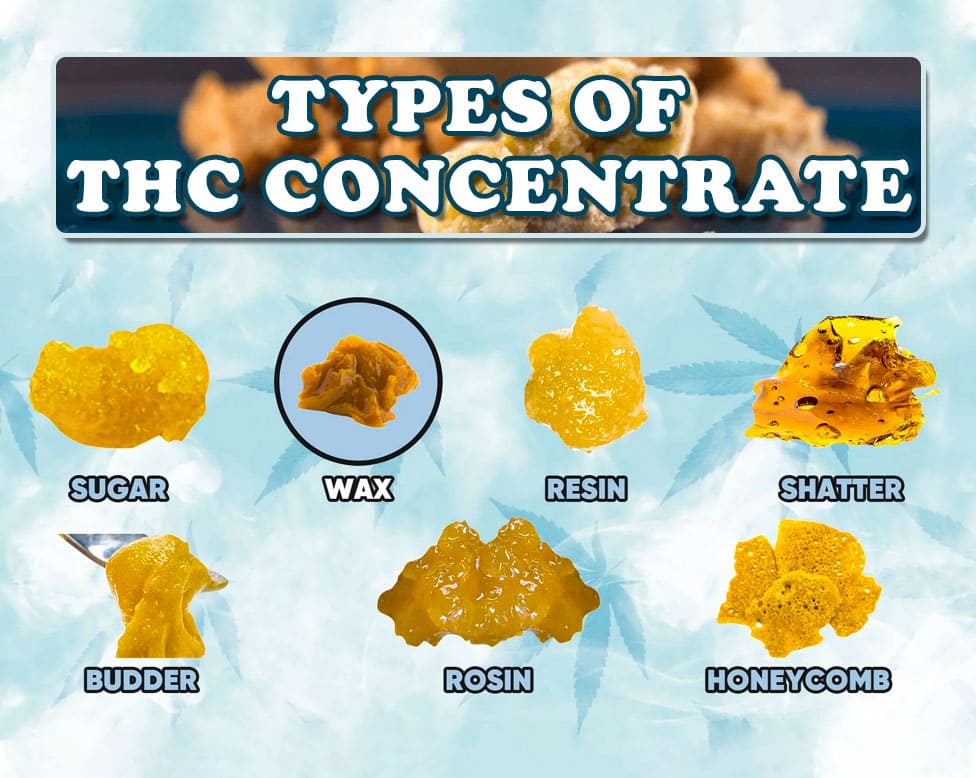
Shatter

The look of Shatter is like a thin glass that can be broken easily, as its name suggests. It is smooth, stable, and includes 90% THC. We can say that Shatter is best for dabbing because of its purity and strength.   

Wax & Budder

Both wax and Budder are thicker and softer forms of THC Concentrates. The Wax has a sticky, candle wax-like texture. That’s why it is perfect for vaping, dabbing, and even mixing it with flower. On the other hand, the Budder is the whipped version of the wax, which is also known as easy to scoop and rich in terpenes.  

Crumble

Crumble is another type of THC Concentrate, which is dry, easily breakable, and looks like the crumbles of a pie crust or honeycomb. This type is powerful and perfect for topping a bowl and mixing in the joints. The crumble is less sticky than wax and still includes high THC Potency. Various people smoke it by mixing it with the flowers. 

THC Oil

It is the liquid version of THC Concentrates and includes THC between 60-90%. THC oil is popular for vape pens, sublingual drops, and infused edibles. It has a strong effect and people who do not prefer smoke love this type.   

Diamonds

The Diamonds look like the crystal, which contains almost pure THCA, including up to 99% and converts into THC when heated. They are mostly combined with the terp source to create a sauce on the rocks. Sauce on the rocks means an extremely potent and flavorful option for experienced dabbers only. 

Solventless Types of THC Concentrates 

These types are made without any chemical solvents like butane, ethanol, and CO?. They rely on the heat, pressure, water, and sifting to get the purest and flavorful parts of the cannabis plant. That’s why people prefer them because of the terpene-rich profile, clean taste, and natural extraction process.   

Rosin & Live Rosin

When you press cannabis buds with more heat and pressure, you will get Rosin. The Live rosin is beyond the previous step as it is made from fresh frozen flower. It preserves more flavor and aroma, which is better than many of the other concentrates. Both of these types are perfect for beginner dabbing because of their terpene content and smoothness.

Bubble Hash

The Bubble Hash is made by using the ice water extraction to remove trichomes from the cannabis plant. When you collect the bubble hash, it will be in dry form and sometimes more pressed. So, you can dab it, smoke it in the pipe, and mix it with the flower. 

Kief

Kief is the perfect, powdery dust that collects from the dried cannabis trichomes. This type is not as strong as the others, but it still adds punch when sprinkled on the bowl or joint. Kief is a great starter concentrate because of its simplicity. 

THCA Isolate

The last type is THCA Isolate, which looks like crystalline or sand. It contains almost pure THCA and does not have more flavor or aroma. Once it is heated, it will transform into the extremely potent THC. It is recommended for new users to use this type with caution and more strength.  

If you want to know the difference between THCa vs THC, we have covered it with more explanation. 

How to Use THC Concentrates?

There are three common ways to use the THC Concentrates, which are dabbing, vaping, and smoking. Dabbing is the strongest method, and you need a dab rig, a torch, and the best dab tools for concentrates. After that, just heat the nail, put some amount of wax, shatter, or rosin, and inhale it.  Use low-temp dabbing (around 300–450°F) for better flavor, or higher temps (up to 600°F) for stronger effects. It is recommended to always start low, especially with diamonds.

The second option, Vaping, is best for beginners, and you can use oil carts, dab pens, or THC vape pens. These devices heat the concentrate by themselves, so you don’t have to heat it. Smoking is the last way, which involves sprinkling kief or crumble on the flower. It’s a simple way that requires no fancy tools, just your regular joint or bowl.

How to Choose the Right Concentrate?

Before knowing how to choose the concentrate, it’s better to know why we have to choose. Choosing the best THC concentrate totally depends on your personal preference, like potency, flavor, and usage. If you are a beginner, then we recommend choosing the type that includes THC 80% or less, like Rosin or Budder. These are easy to use and more flavorful. People looking for a stronger effect can try shatter, wax, and crumble based on the texture and potency.

If you care about flavor, go with live resin vs rosin because both are rich in terpenes and preserve the original taste of the plant. For convenience and portability, THC vape pens or THC Vape Boxes are perfect.

Looking for customized THC Packaging? Choose CBD-Boxes as we offer various personalized packaging options for brands in the USA. You can customize your packaging based on logo, stickers, and product information. Contact us and get shelf-ready packaging that grabs the attention of the consumers.

Best HR and Payroll Software for CBD Product Manufacturers

Running a CBD manufacturing business feels like playing chess while someone keeps changing the rules. One day you're focused on perfecting your extraction process, the next you're scrambling to understand why your payroll taxes just doubled because of 280E compliance issues.

Here's the thing about CBD payroll software, picking the wrong one can cost you tens of thousands in compliance penalties and missed tax optimization opportunities. We're talking about software that needs to handle everything from cash-heavy operations to multi-state regulations, all while keeping your manufacturing operations running smoothly.

After spending months researching solutions and talking with CBD manufacturers across the country, we've identified 7 payroll platforms that actually understand what you're dealing with. These aren't your typical small business payroll tools, they're built for the unique challenges of cannabis and hemp operations.

How We Evaluated These Payroll Solutions

We didn't just look at feature lists and pricing pages. Our evaluation process involved direct conversations with software vendors, case studies from actual CBD manufacturers, and input from compliance experts who work specifically with cannabis businesses.

Our Success Criteria:

  • 280E Tax Optimization: Can the software help minimize your tax burden under Section 280E?
  • Multi-State Compliance: Does it handle varying state regulations without manual workarounds?
  • Banking Flexibility: Can it work with limited banking options and cash payments?
  • Cannabis-Specific Features: Built-in understanding of seed-to-sale tracking and industry requirements
  • Manufacturing Integration: Seamless connection with production and inventory systems
  • Support Quality: Real people who understand cannabis business challenges

Research Methodology:We conducted vendor demos focused on cannabis-specific scenarios, analyzed customer testimonials from CBD manufacturers, interviewed compliance specialists, and compared actual implementation costs and timelines. Most importantly, we looked at measurable outcomes – how much money and time these solutions actually save businesses like yours.

Software Comparison Matrix

Software Best For 280E Support Banking Flexibility Implementation Time Key Benefits
Hybrid Payroll Multi-state CBD manufacturers Advanced High 2-3 weeks Complete cannabis focus
KayaPush Retail-focused operations Standard Medium 1-2 weeks All-in-one platform
Uzio Large-scale manufacturers Advanced High 3-4 weeks Enterprise scalability
Greenleaf HR Hemp-specific compliance Standard Medium 2 weeks Agricultural specialization
EPAY Systems Small agricultural operations Basic Low 1 week Cost-effective simplicity
Greenleaf Business Cash-heavy operations Advanced Very High 2-3 weeks No banking required
PayNW Pacific Northwest businesses Standard Medium 1-2 weeks Regional expertise


4 Best HR and Payroll Software for CBD Product Manufacturers

1. Hybrid Payroll: Best for Multi-State CBD Manufacturing Operations

If you're manufacturing CBD products across multiple states, Hybrid Payroll stands out as the most comprehensive solution among cannabis payroll software that we've found. They've built their entire platform around cannabis and hemp business needs, which means you're not trying to force a square peg into a round hole.

Software Overview and Cannabis-Specific Features

Hybrid Payroll was designed from the ground up for cannabis businesses. Their 280E tax optimization tools go beyond basic compliance, they actively help structure your payroll to minimize tax impact. The multi-state regulatory management system automatically updates for changing cannabis laws, and their integration with seed-to-sale tracking systems means your HR data flows seamlessly with your production data.

What sets them apart is their understanding that CBD manufacturing isn't just retail with different products. They handle complex manufacturing payroll scenarios like shift differentials for extraction technicians, hazard pay calculations, and seasonal workforce fluctuations.

Implementation Process and Timeline

  • Week 1: System setup and data migration from your current payroll system
  • Week 2: Employee onboarding, training sessions, and workflow customization
  • Week 3: Compliance verification, testing, and go-live preparation
  • Ongoing: Quarterly compliance reviews and system optimization

The implementation team includes cannabis industry specialists who understand your specific challenges. They don't just set up software, they optimize your entire payroll strategy for 280E compliance.

Required Resources and Technical Requirements

You'll need a dedicated implementation team of 2-3 people from your organization, including someone from HR, finance, and operations. The system integrates with most manufacturing ERP systems, but you'll want to prepare employee data migration and gather compliance documentation beforehand.

Expected Outcomes and ROI Metrics

Based on customer case studies, manufacturers typically see:

  • 60-80% reduction in compliance-related errors
  • 25-40% time savings on payroll processing
  • $50K-200K annual savings through improved 280E tax positioning
  • Significantly better audit preparedness and documentation

2. KayaPush: Comprehensive Solution for Retail-Focused CBD Operations

KayaPush shines when your CBD manufacturing operation includes significant retail components. Their platform combines payroll processing with point-of-sale integration, inventory management, and employee scheduling, perfect for manufacturers who also run dispensaries or retail locations.

The cannabis retail software manages the compliance that dispensaries require. But that isn’t all it does. It also has some features you would expect from any solid retail software package, such as managing commissions, tips, and schedules for employees that are visible to customers.

For manufacturers with retail operations, KayaPush offers seamless data flow between production payroll and retail sales data. This integration helps with 280E compliance by clearly separating deductible and non-deductible business expenses.

Key Features:

  • Integrated POS and payroll system
  • Mobile employee self-service
  • Automated compliance reporting
  • Real-time labor cost tracking
  • Multi-location management

Best For: CBD manufacturers with retail operations, businesses under 200 employees 

3. Uzio: Enterprise-Grade Compliance for Large CBD Manufacturers

If you operate a large-scale CBD manufacturing business with a big workforce split up across several facilities, you need something like Uzio to run your business at an optimal level. Its enterprise-grade functionality is unrivaled in the CBD space. The complex organizational structures, advanced reporting requirements, and integration with enterprise resource planning systems are managed by their platform.

Uzio's strength lies in its scalability and customization options. The system can handle multiple business entities, complex approval workflows, and detailed cost center tracking, critical for large manufacturers managing different product lines or facilities.

Their compliance management goes beyond basic payroll taxes to include OSHA reporting, workers' compensation management, and detailed audit trails. For manufacturers dealing with institutional investors or preparing for acquisition, Uzio provides the documentation and reporting sophistication required.

Key Features:

  • Multi-entity payroll management
  • Advanced analytics and reporting
  • Enterprise system integrations
  • Automated compliance workflows
  • Detailed audit trails and documentation

Best For: Large CBD manufacturers (500+ employees), multi-facility operations, businesses with complex organizational structures 

4. Greenleaf HR: Specialized Support for Hemp Business Compliance

Greenleaf HR centers particularly on hemp and agricultural businesses, making them an excellent choice for CBD manufacturers who lie more on the agricultural side of the industry. Their platform comprehends seasonal workforce management, agricultural labor laws, and the specific compliance requirements necessary to cultivate and process hemp.

The system handles unique agricultural payroll scenarios like piece-rate pay for harvest workers, housing deductions for seasonal employees, and H-2A visa worker management. For manufacturers who grow their own hemp or work closely with agricultural partners, this specialization is valuable.

Greenleaf's compliance expertise extends to agricultural labor standards, pesticide handler certifications, and organic certification requirements, areas where traditional payroll systems often fall short.

Key Features:

  • Agricultural labor law compliance
  • Seasonal workforce management
  • H-2A visa worker support
  • Organic certification tracking
  • Piece-rate and agricultural pay structures

Best For: Hemp-focused manufacturers, businesses with agricultural operations, seasonal workforce management 

3 Additional Effective Solutions

EPAY Systems: Agriculture-Focused Payroll Management
Specialization Agricultural workforce management with basic cannabis compliance
Strengths Cost-effective for smaller operations, seasonal employee handling, rural banking solutions
Best For Small CBD manufacturers (under 50 employees) with agricultural focus


Greenleaf Business Solutions: Risk-Free Cannabis Payroll
Specialization Cash-heavy operations with maximum 280E optimization
Strengths No banking requirement processing, advanced tax strategy, compliance specialization
Best For Manufacturers with limited banking access, cash-heavy operations


PayNW: Regional Expertise with Cannabis Focus
Specialization Pacific Northwest cannabis businesses
Strengths Local compliance expertise, competitive regional pricing, strong customer support
Best For CBD manufacturers in Washington, Oregon, California


Implementation Best Practices

Common Pitfalls to Avoid:

Don't make the mistake of assuming that data migration isn't complicated, especially when the source material comes from several systems or is contained in spreadsheet form. Many businesses err by inadequately training employees. Your team needs to understand not just how to use the new system, but also the reasons behind its existence (and certain processes within it) for compliance.

While selecting a solution, many people often overlook compliance requirements specific to their state. A solution that functions well in Colorado may not be able to meet the requirements of California, but some do. Be certain that the solution you have chosen can handle the mandates of all the states you operate in.

Success Factors:

Allocate a specific project team that comprises members from human resources, finance, and operations. Implement a rollout approach in phases, begin with one locale or department, then extend company-wide. Carry out a thorough compliance audit before you make the final selection, and assess how good the vendor support is during your trial.

Measurement and Optimization:

Track compliance error rates, payroll processing time, employee satisfaction with the new system, and cost per payroll run. These metrics help you optimize your investment and demonstrate ROI to stakeholders.

Investment Analysis and ROI Expectations

Investment Levels by Business Size:

  • Small operations (10-50 employees): $200-500/month
  • Mid-size manufacturers (51-200 employees): $1,000-3,000/month
  • Large enterprises (200+ employees): $3,000-8,000/month

Expected ROI Timeline:

Compliance cost savings appear immediately with your first payroll cycle. Efficiency gains typically materialize within 30-90 days as your team adapts to new workflows. 280E tax optimization benefits become clear at annual tax filing, while full ROI realization usually occurs within 6-12 months.

Cost-Benefit Considerations:

The financial impact goes beyond monthly software costs. Avoiding regulatory penalties can save companies from $10,000 to more than $100,000 every year. For most manufacturers, the elapsed time savings are worth $20,000 to $80,000 annually. But these no-nonsense numbers aside, the biggest savings come from taxation.

Tax optimization benefits can save from $50,000 to $500,000 every year, depending on company size. Without getting into all the covered strategies, here are some things to think about when it comes to this issue:

Making Your Decision

Selecting the appropriate payroll software for your CBD manufacturing business is a matter of aligning your distinct requirements with the right caliber of cannabis sector know-how. If you're a multi-state operator with complex manufacturing and labor processes, the comprehensively cannabis-focused solution from Hybrid Payroll is unmatched. If you're a smaller operation or a business just entering the cannabis space, payroll software from EPAY Systems or PayNW might provide the right balance of cost and capabilities.

The essence of the matter is that standard payroll software just can't manage the one-of-a-kind problems that cannabis and hemp companies face. You have industry-specific hurdles to clear, and you can't afford the shortcut of trying to make a generic solution fit your unique situation. Use free trials and demonstrations to suss out how well each contender for the title of "best payroll for cannabis" can actually perform the payroll tasks you need them to do.

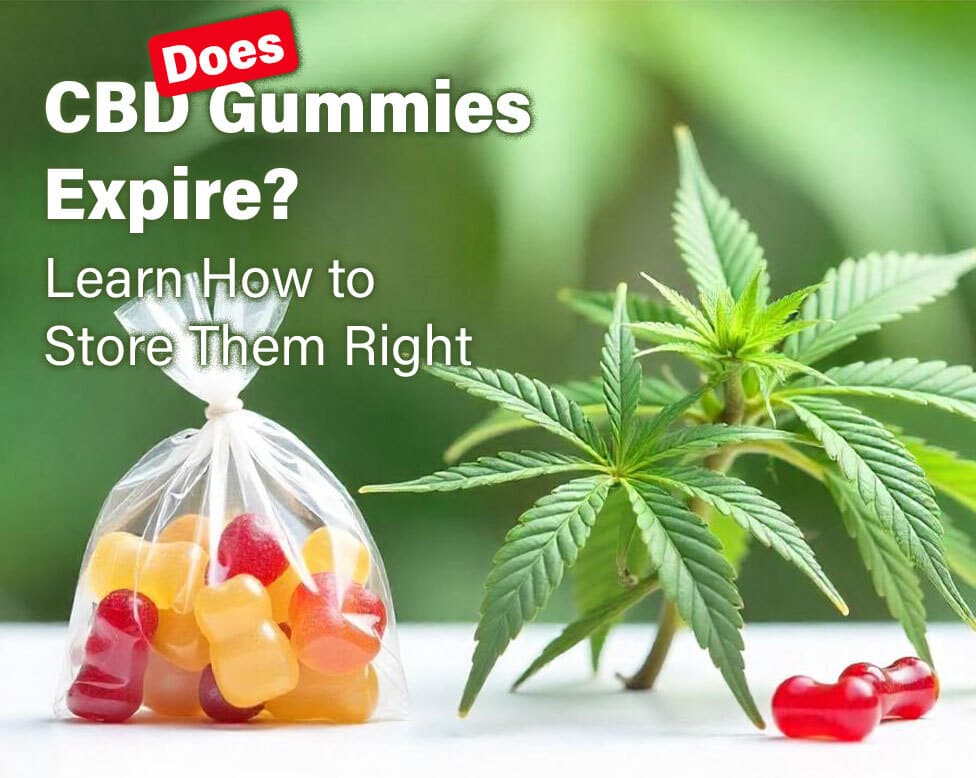
Does CBD Gummies Expire? Signs, Storage & Lifespan | CBD-Boxes

CBD gummies have become very popular among people looking to enjoy the benefits of CBD in a tasty and convenient form. But they don’t last forever, like any edible product. So, does CBD gummies expire? Yes, they do.

In this blog, we’ll walk you through how long they usually last, what signs to look for when they start to go bad, and how packaging plays a major role in keeping them fresh.

If you’re in the CBD business or just a fan of these chewy treats, this is the guide you need. Start reading!

For How Long Can We Use CBD Gummies?

Normally, they can be used between 12 to 24 months. But, the exact time depends on several factors, these are:

  • The ingredients used
  • How the gummies were made
  • How they’re stored
  • The type of packaging

Most CBD gummies come with a best before date printed on the packaging. That’s your best guide for freshness. But remember, it doesn’t mean they instantly go bad after that date, it just means they may begin to lose potency or taste.

How Ingredients Influence the Shelf Life of CBD Gummies

The ingredients of your CBD gummies can greatly impact how long they remain fresh. Gummies having natural ingredients can expire sooner than those that have preservatives. It means organic gummies are more sensitive to their surroundings.

CBD extract is very stable, but additions such as gelatin can spoil without proper care. Vegan gummies that use pectin rather than gelatin can also be keener to dry out or become too hard.

If your gummies have nutrients such as vitamins, those can degrade with time as well. Always read both the CBD level and active ingredients to ensure that you're receiving the benefits you want.

If You Use Expired CBD Gummies, then What?

Don’t worry, if you eat expired CBD gummies by mistake. They don’t cause harm unless there’s mold or a strange smell or taste. However, expired gummies may:

  • Taste stale or off
  • Be less effective
  • Have a different texture
  • Lose some of their CBD potency

When you want to know does CBD gummies expire, the answer is, the CBD compound can break down with time, if exposed to heat, light, or air. So you probably won’t get sick from old gummies, but they might not give you any benefits, as well.

Signs Your CBD Gummies Not Good Anymore

Not sure if your gummies are still okay to eat? Look out for these signs:

  • Foul or sour smell
  • Change in color or texture
  • Visible mold
  • Hardening or stickiness
  • Weird taste

If any of these apply, it’s best to throw them out. Fresh CBD gummies should smell sweet, feel soft, and taste as expected.

Storage Matters: Keep Your Gummies Fresh

How you store your CBD gummies is very important for how long they last. Following are the tips to keep them fresh:

  • Keeping them in a drawer or cabinet works well to avoid heat and sunlight.
  • Moisture can cause mold, so avoid it by always sealing the package.
  • Make sure the container is airtight, if you change their original packaging,
  • Cold can affect texture, so don’t refrigerate.

Between The Does CBD Gummies Expire – Packaging is the Game-Changer

Proper packaging can increase the usage time of CBD gummies. This helps to maintain their flavor and potency. For this purpose, the packaging industry comes into the bigger picture.

High-quality packaging for CBD gummies should include:

  • Moisture-resistant barriers
  • Light-blocking layers
  • Heat-sealed closures
  • Airtight seals
  • Tamper-proof design
  • Clearly printed expiration dates

Not only does this keep your gummies safe, but it also ensures customer satisfaction.

Custom Packaging for CBD Gummies

Investing in the right packaging is essential, if you're in the business of selling CBD edibles. Every packaging doesn’t have premium quality. Generic, low-quality materials won’t protect your product the way premium packaging will.

Custom packaging solutions allow you to design boxes or pouches that fit your brand and preserve the product. Features including:

  • Child-resistant closures
  • Eco-friendly materials
  • Attractive designs
  • Window cuts for product visibility

These can set your brand apart while also keeping your gummies fresh for longer.

Why Packaging is Crucial

Most brands focus only on the ingredients and branding. They forget that secure CBD gummy packaging is necessary for the safety of the product. Poor packaging can cause gummies to degrade faster. This can even result in return of the products.

No matter if you're shipping your gummies across the country or storing them on shelves, durable packaging makes sure they arrive fresh and stay safe.

The Role of CBD Packaging in Building Customer Trust

Besides freshness and safety, packaging also plays a role in how your brand is perceived. When customers receive CBD gummies in well-designed, protective packaging, it reflects professionalism and care. It tells them you value quality and safety, which builds trust and encourages repeat purchases.

Think about it: if you open a package and the gummies are stuck together or have an odd smell, it doesn’t matter how good the branding is, you’ll probably never buy from that company again.

Smart businesses invest in custom disposable packaging that looks great and protects the product. Labels with clear instructions, storage tips, and expiration dates add to customer confidence. A premium unboxing experience can be the difference between a one-time buyer and a loyal customer.

In the End:

So, does CBD gummies expire, the answer is yes. But with the right storage and packaging, you can enjoy them for up to two years.

We at CBD-Boxes specialize in making custom packaging for the CBD industry. If you need boxes for CBD oils, gummies, or edibles, we’ve more than enough experience to make sure your products stay fresh and safe.

So, why wait any longer? Contact us today to uplift your packaging game!

THCa vs THC: Understanding the Key Differences and Uses

Curious to learn the difference between THCa and THC?

You're not alone. As a result of 47% of Americans having tried cannabis at some point in their lives, more individuals are beginning to ask these types of questions. With a total market set to grow to nearly $45 billion by 2025, this industry is booming.

The problem is:

Many assume THCa and THC are the same. They are not. The differences in these compounds can drastically change your outlook on cannabis.

Without the right education and information, you could be unintentionally purchasing the wrong product that doesn't quite fit your needs.

Let's dive in.

What you'll discover:

  • What Is THCa and How Does It Differ From THC?
  • The Science Behind THCa vs THC
  • Different Ways To Use THCa
  • Which One Is Right For You?

What Is THCa and How Does It Differ From THC?

THCa (tetrahydrocannabinolic acid) is the raw, non-psychoactive precursor to THC found in the fresh, unprocessed cannabis plant.

The key difference here is: THCa will not get you high on its own in its natural form. THC will.

Typically when people refer to "THC" in raw cannabis plants, they are actually referring to THCa. THCa only becomes psychoactive THC once decarboxylated – in other words, when you apply heat.

Picture it like this: THCa is the raw cookie dough that requires baking in order to turn it into the final product (THC).

Key differences at-a-glance:

  • Psychoactive effects – THCa is non-psychoactive. THC is psychoactive and produces the "high"
  • Chemical structure – THCa has an extra carboxyl group that THC does not
  • Legal status – THCa is federally legal if it contains under 0.3% THC
  • Consumption methods – THCa can be consumed raw while THC must be heated

The Science Behind THCa vs THC

THCa converting to THC isn't magic. It's science.

When THCa is exposed to heat around 220°F (105°C) the cannabinoid loses its carboxyl group and becomes psychoactive THC. This occurs when you smoke, vape, cook or bake with it.

Without heat, THCa remains THCa. This is why you cannot get high off of eating raw cannabis.

THCa may offer the following recent research backed benefits:

  • Anti-inflammatory effects for pain, arthritis, and other conditions
  • Neuroprotective properties for brain and nerve health
  • Anti-nausea benefits without psychoactive effects
  • Potential neurodegenerative disease support

You have a choice as to whether you want to obtain psychoactive effects based on the method of consumption.

Different Ways To Use THCa

This is where things start to get exciting. As you can see, there are a ton of different ways to use THCa and each method of consumption provides different results.

Allow me to break down the most popular methods:

Raw Consumption (No High)

Seeking out the potential benefits without any psychoactive effects? Raw consumption is the way to go.

You can add THCa flower to the following:

  • Smoothies and juices
  • Salads as a topping
  • Raw food recipes
  • Herbal teas (cold brew only)

With 21% of Americans preferring flower when consuming cannabis products, many are starting to see that raw consumption can provide a completely different experience.

Smoking and Vaping (Gets You High)

When you smoke or vape THCa flower, the heat converts it to THC. This results in the same effects as traditional marijuana.

Methods in this category include:

  • Pre-rolls (which experienced an 11.89% increase in sales from 2023 to 2024)
  • Dry herb vaporizers
  • Traditional smoking methods
  • Concentrate vaping

For those interested in the best of the best, premium THCa ounces are the way to go, and provide potency and consistency serious consumers seek.

Edibles and Tinctures

Making edibles with THCa first requires decarboxylation. You must heat the flower in an oven to convert it to THC before adding it to recipes.

Methods in this category include:

  • Cannabutter for baking
  • THCa-infused oils
  • Tinctures for sublingual consumption
  • Capsules for controlled dosing

Topicals

THCa topicals will not produce psychoactive effects even once the cannabinoid is activated. Topicals are applied directly to the skin for localized relief.

Beverages

THCa-infused beverages are a rapidly growing trend with cannabis beverages growing 11% in 2024. Expect to see more of this category over time.

THCa beverages offer the following:

  • Refreshing way to consume
  • Option for non-intoxicating or psychoactive consumption
  • Ability to control dosing
  • Great alternative for social consumption

THCa vs THC: Legal Considerations

THCa occupies a somewhat legal gray area. Under federal law, THCa flower remains legal if it contains less than 0.3% delta-9 THC by dry weight as a result of the 2018 Farm Bill.

However, once THCa is converted to THC via heat, it is federally illegal (but still legal in most states).

THC remains federally illegal but is legalized for medical or recreational use in many states. Be sure to know your local laws.

Which One Is Right For You?

Deciding between THCa and THC really comes down to what you're looking for.

Pick THCa if you desire the following:

  • Wellness potential without getting high
  • Legal access in states that prohibit cannabis
  • Daytime use without impairment

Pick THC if you desire the following:

  • Psychoactive effects and "high"
  • Proven benefits for pain, appetite and sleep
  • Recreational use

The truth is: You do not have to choose one or the other. Many consumers use raw THCa for morning wellness and then decarb their flower for evening relaxation.

Safety and Side Effects

Both THCa and THC are well-tolerated by most consumers but both also come with a few considerations.

THCa side effects are minimal and may include:

  • Upset stomach if large amounts of raw flower is consumed
  • Accidental conversion to THC with exposure to heat

THC side effects are more widely known:

  • Dry mouth
  • Paranoia or anxiety (more common at high doses)
  • Memory impairment
  • Dizziness

Remember: Always start low and go slow with any cannabis product. Just because something works for someone else does not mean it will work for you.

The Future of THCa

The THCa market is only just heating up. With research continuing to emerge and consumers becoming more educated, you can expect to see:

  • Product offerings across multiple consumption methods
  • Stricter quality control and testing standards
  • Regulations and clear labeling
  • Innovative new products and methods of consumption

As this industry matures and the lines between THCa and THC become more clearly defined, consumers will be able to make informed decisions that are best for their needs.

Summing Things Up

THCa and THC are related but different compounds. THCa provides potential wellness benefits without psychoactive effects while THC delivers the classic cannabis high.

The most important distinction between the two comes down to heat. THCa is non-psychoactive until heated up, giving consumers control over their own experience.

Whether you prefer raw THCa for daily wellness, heating up your THCa flower for recreational purposes, or a mix of both, having the correct information about the differences between these compounds will lead you to make the right decision.

The key takeaways to remember:

  • THCa is non-psychoactive until heated
  • THC is psychoactive
  • Both have potential health benefits
  • Legal status is not uniform by location
  • Multiple consumption methods are available

With this fundamental information, you are better equipped to navigate the ever-expanding world of cannabis products and find what works for your needs.

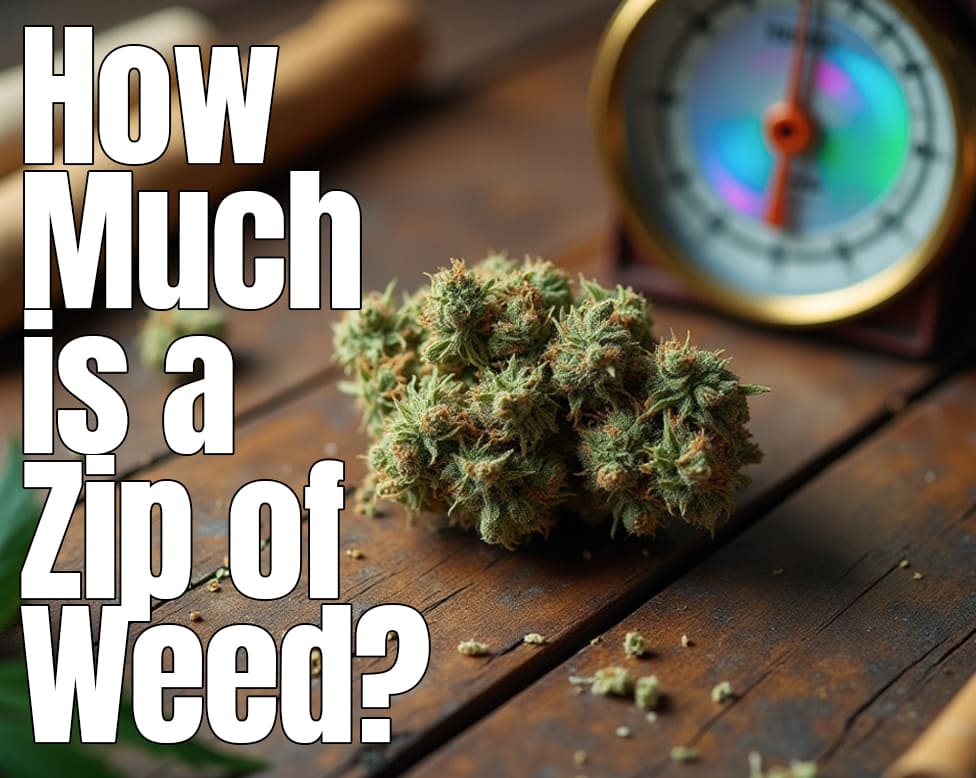
How Much is a Zip of Weed

If you’ve ever asked, “how much is a zip of weed?” — you’re not alone. In the cannabis community, “zip” is a popular slang term used to refer to one ounce (oz) of marijuana. Whether you're a seasoned enthusiast or new to the world of cannabis, understanding how much a zip of weed weighs in grams and what it typically costs is essential for making informed purchases. This term holds practical value, especially in legal dispensaries and among casual users who rely on accurate quantity and price estimates. In this guide, we’ll break down everything you need to know — from how many grams are in a zip to how much is a zip of weed worth in your local market. Get ready for a simplified yet detailed look into cannabis weights and pricing.

How Many Grams Is a Zip of Weed?

A “zip” of weed typically weighs 28 grams, which is the equivalent of one ounce (oz). This unit is widely recognized across the cannabis industry and is considered the standard for bulk personal consumption. When people ask, “how much is a zip of weed in grams?” — the answer is consistently 28g, though it can vary slightly depending on moisture levels and packaging. Some users break it down further: a half zip equals 14 grams, which fits in a large weed grinder, and a quarter zip would be 7 grams. Understanding this measurement is crucial whether you're buying from a legal dispensary or engaging in a private purchase. Knowing the exact weight ensures you're not overpaying or misinformed. Plus, it helps with budgeting how long your supply will last, especially if you're tracking personal usage or dividing it into smaller doses.

How Much Is a Zip of Weed Price-Wise?

When it comes to cost, the price of a zip of weed can vary widely depending on several factors — including location, cannabis quality, brand, and legal status. In states or countries where cannabis is legalized and regulated, you can expect to pay anywhere from $100 to $300 for a zip (28 grams) of weed. Premium or exotic strains may push that price even higher, while more affordable options such as mid-grade or shake may lower it.

Users often wonder, “how much is a zip of weed worth on average?” — the national average in legal U.S. markets hovers around $150 to $200 per ounce. Black market rates can be both higher or lower depending on availability and risk.

Also, if you're asking “how much is a zip of weed cost per gram?” — divide the total by 28. For example, a $200 zip breaks down to about $7.14 per gram, which can help gauge value in smaller quantities.

Factors That Influence the Price of a Zip of Weed

Several factors can significantly influence how much a zip of weed costs, and understanding them can help both consumers and dispensary owners make informed choices. First and foremost is location—in legal states or countries, regulation often brings more stable pricing, while in illegal markets, scarcity and risk increase the cost. For example, how much is a zip of weed is in California may differ from how much a zip of weed is in Texas, depending on legal accessibility.

Strain quality is another major factor. Top-shelf, high-THC strains or specialty cultivars like “wedding cake” or “gelato” can command premium pricing. On the other hand, budget or “mids” are more affordable. Grow methods also matter — indoor-grown cannabis usually costs more due to controlled conditions.

Lastly, taxes, packaging, and distribution also play a role in how much money a zip of weed is. Licensed retailers often include these overheads in final pricing, especially when offering premium branded experiences.

How Many Grams Is a Zip of Weed?

A “zip” of weed refers to an ounce of cannabis—which is exactly 28 grams. This is a standard term used by both casual users and professional cannabis vendors alike. So, if you’re wondering, “how much is a zip of weed in grams?” the answer is straightforward: 28g.

This quantity is significant because it’s the legal personal possession limit in many regulated markets, including parts of the U.S., Canada, and select European countries. Understanding that one zip equals 28 grams also helps you calculate costs. For instance, if someone asks, “How much is a zip of weed price-wise,” and the cost is $180, that breaks down to roughly $6.43 per gram—a reasonable deal in most markets.

Whether you're a consumer or a brand owner, knowing the exact weight of a zip helps in pricing, packaging, and compliance, especially for medical or recreational dispensary operations.

Half Zips and Other Cannabis Measurements

Understanding cannabis measurements helps you buy smarter and sell more efficiently. After all, how much is a zip of weed if you're only buying a portion of it? A "half zip" equals half an ounce — or 14 grams. So if you're wondering, "how much is a half zip of weed?" the simple answer is 14g.

Here’s a quick breakdown of standard cannabis measurements:

  • 1 Gram (g) — A small amount, good for a single joint or bowl
  • 3.5g — Also called an “eighth” (? oz)
  • 7g — A “quarter” or ¼ oz
  • 14g — A “half zip” or ½ oz
  • 28g — A “zip” or 1 oz

Knowing these quantities helps when calculating how much is a zip of weed worth, especially in wholesale or custom packaging contexts. Packaging companies and dispensaries often tailor their product boxes to these specific weights, making accurate measurement essential for compliance and customer satisfaction.

Get Packaging That Matches the Value of Your Product

Whether you're selling a gram or a full zip of weed, one thing remains constant: presentation matters. Customers today are more informed — they know how much is a zip of weed in grams, ounces, and even dollars. What sets your product apart isn’t just potency — it's how well it’s packaged.

At CBD-Boxes, we help cannabis brands reflect their true value through custom weed packaging solutions. Whether you need smell-proof bags, pre-roll boxes, or zip-sized containers, we’ve got the compliance, creativity, and customization you need.

Want cannabis packaging that makes your product worth every gram? Request a quote today — and let’s build a brand experience your customers will always remember.

What Is the Science Behind CBD, Delta-8 and Meditation?

So, I Tried CBD, Delta-8, and Meditation—Here's What Actually Happened

Look, I’m not a wellness guru. I drink too much coffee, forget to stretch, and have definitely stress-eaten a pizza (or three). But over the last year, I hit a wall. Mentally, physically — just done. That’s when I started hearing more about CBD, Delta-8, and meditation. Everyone seemed to be talking about them like they were the holy trinity of chill. Naturally, I was suspicious.

Still, I was curious. And tired. So I tried them all — separately, together, sometimes in weird combinations. And here’s what I learned.

CBD: Like Turning the Volume Down on the Noise

CBD felt like dipping my brain in warm water. No, not in a weird way — just… softer. The edges of everything got a little rounder.

When I first took it (just a basic oil drop under the tongue), I thought it wasn’t doing anything. Ten minutes in, I realized I wasn’t refreshing my inbox every five seconds or chewing the inside of my cheek. I was just… still. Not sleepy. Not high. Just less on edge.

From what I read, there’s this endocannabinoid system in our body that helps regulate all kinds of stuff — mood, pain, even sleep. CBD doesn’t directly flip any switches; it just kind of nudges that system toward balance. And it has something to do with serotonin too, which I guess explains the more “okay” feeling I had.

I don’t take it daily, but when I do, especially before bed or during one of my mental spirals, it gives me space to breathe. Like, literally — I breathe deeper. I didn’t even realize how shallow my breathing was until I felt it change.

Delta-8: The Little Buzz That Almost Fooled Me

Delta-8 THC… now that was a ride I wasn’t expecting. Someone described it to me as THC’s “chill cousin,” and yeah, that fits.

Unlike regular THC (which tends to launch me into another dimension), Delta-8 was more like a float. I took half of a delta 8 THC gummies — just to test the waters. Within the hour, I felt looser, but still myself. I wasn’t forgetting what I was doing or spacing out. Just… relaxed, like a slow Sunday afternoon.

But — big but — not all products are created equal. Some Delta-8 stuff is made in labs by converting CBD, and let’s just say the market isn’t exactly filled with saints. One time I tried a random gas station brand (bad idea), and I ended up feeling weird for hours. Lesson learned: don’t mess with mystery gummies. Always go for trusted sources that actually show you what's inside.

I get why people use it — light relaxation, a little mental break, nothing too wild. But I’m cautious with it now. It’s not something I take casually, and honestly, I still trust CBD more.

Meditation: Harder Than It Looks, Worth Every Minute

I used to roll my eyes at people who said meditation changed their lives. Like okay, Becky, you closed your eyes and now your chakras are aligned?

But then I actually tried it. The first few times? Awful. I sat there with my mind racing, planning grocery lists and thinking about that one email I forgot to send in 2017. But I kept showing up, even if just for five minutes a day.

Something shifted.

Meditation wasn’t about forcing peace — it was about not reacting. About noticing. About breathing. Over time, my focus sharpened, my sleep got deeper, and I snapped at people way less.

What really stuck with me was learning that repeated meditation sessions slow the release of stress hormones. Like, your body literally learns not to freak out as quickly. That’s not just feel-good fluff — it’s biology. I don’t know about you, but in a world that’s constantly screaming at us to hustle harder, that’s a superpower.

Combining Them? Surprisingly Effective

One night I took a small dose of CBD before a short meditation. I had been feeling restless and couldn’t focus. Something about the combo just… worked. My breathing fell into rhythm, and I actually wanted to stay in that quiet space longer.

There’s something cool about how they complement each other. CBD calms the body. Meditation trains the mind. Together, they give you this weird mental clarity I didn’t expect. I’m not saying it's some magical fix — but it’s a powerful duo.

I’ve tried it with Delta-8 too, though only on weekends when I don’t need to be productive. It made for a really slow, dreamy kind of meditation. Nice, but a little fuzzy for me.

So, Is It All Worth It?

In a word? Yeah. But not blindly.

CBD is something I now keep on hand — like a wellness tool, not a cure-all. Delta-8 is more of a treat, and only when I can control the environment. Meditation, though? That’s become non-negotiable. Even if it’s just three minutes in the car before work.

And together? They help. Life still gets loud, work is still a mess sometimes, and I still forget to reply to texts. But I’m calmer inside. Less reactive. More aware.

That’s worth something.

Final Thoughts (and a Tiny Bit of Advice)

If you’re thinking about trying any of these, start slow. Especially with anything you ingest — research it, get the right dosage, and for the love of calm, read the label. Don’t just grab random delta 8 THC gummies from wherever.

As for meditation, don’t wait to feel ready. Just sit. Close your eyes. Breathe. Repeat tomorrow. And the next day.

Not every day is zen. But over time, you start to carry a little more quiet with you — and that’s the kind of peace we all could use more of.

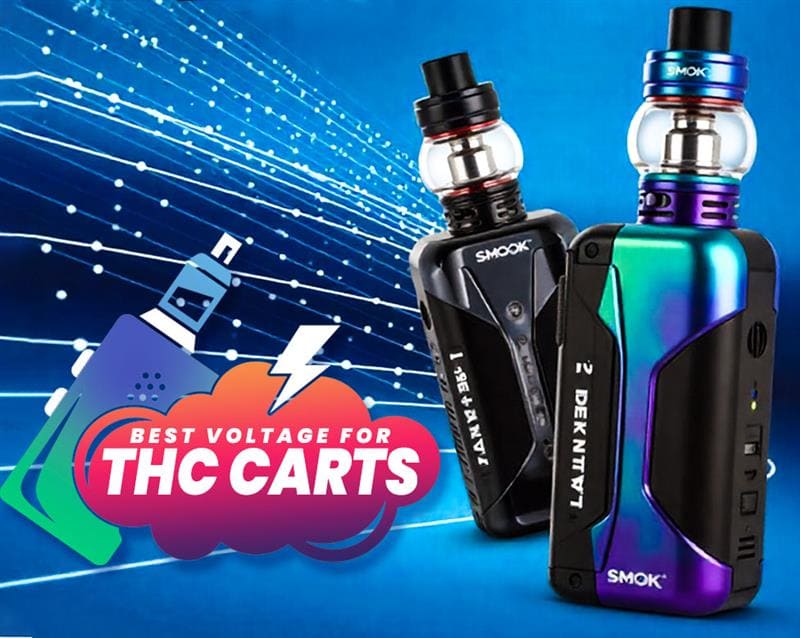
Best Voltage For THC Carts

If you are looking for the best voltage for THC carts, you have come to the right place because choosing the right and accurate voltage is not only about large clouds, it’s also about the secret of your desired flavor, strong effects, and keeping your vape gear working safely.

Voltage is like a “control Dial” which maximizes the taste and overall experience, so this THC cartridge voltage guide will explain exactly how the safe voltage range for THC vape can make all the difference.

But not every voltage is fit for all; each oil type, like distillate, live resin, or THCa, has its own spot of sweetness. Using the wrong voltage will result in burning the oil, waste product, or damage to your cartridge. In this article, we will let you know the oil types, the best device settings, and the troubleshooting solutions along with the U.S safety tips. By the end of this article, you will get to know how to enjoy every session of your vape. 

Oil Type vs. Ideal Voltage & Effect

We have summarized the overall information and created a table for you below that helps you choose the best voltage for THC carts. It is recommended to use the following guide for voltage setting for vape oil cartridges and different oil types that are found in the USA market.  
 

Oil Type Recommended Voltage Best For Risks at High Voltage
Distillate 3.0–4.0 V Strong hits Burnt oil, harshness
Live Resin 2.0–2.5 V Terpenes, flavor Terpene loss, clog
Rosin 2.0–2.5 V Aroma, smoothness Burnt taste
THCa/Delta 8 2.5–3.3 V Potency, smooth Oil burns, waste
CBD 3.3–3.8 V Max potency Harsh hits


  • Distillate works best at a higher voltage (3.0–4.0?V) for strong, powerful clouds.
     
  • Live resin and rosin have more delicate flavors and terpenes, so lower voltage ranges from 2.0–2.5?V keep the taste fresh and smooth.
     
  • THCa/Delta 8 is usually optimal at mid-range (2.5–3.3?V) for a balance of potency and smoothness.
     
  • CBD oil vapes well at a bit higher (3.3–3.8?V), which brings out the full effects.
     

If you go too high, then it will burn the oil, ruin your flavor, and probably the product will be wasted. So, always starts with a low and goes slowly. Adjust it to the high level until you find the best sweet spot.  

How Voltage Affects Flavor, Potency & Cartridge Life?

In Vaping, the voltage and wattage work together to control how much heat your vape coil will produce. The voltage is the power of the battery that is sent to the cartridge, and the wattage is the total energy that is used. In most of the Vape Pens, only the voltage is adjusted. The right voltage setting will help you to get the most from your oil, especially when it comes to voltage vs flavor in THC carts.     

If the voltage is too high, the oil burns, cannabinoids will be finished, and the terpenes, which are small compounds that provide taste and fragrance, will also be destroyed. The taste is too weird, like a burning sensation, and the product will also be wasted. If the voltage is too low, the oil is not vaporized properly, fewer clouds are produced, and it affects less as well, which forces us to do more puffs for fewer results.   

Battery resistance, which is measured in ohms, is also crucial. The lower resistance-based batteries are heated more quickly, which is why you have to maintain less voltage. The right and perfect balance protects flavor, saves oil, and extends cartridge life. That’s how voltage affects terpene retention and your overall vaping experience!   

How to Find Your Personal Sweet Spot? Step-by-Step

Are you looking for the right voltage setting? Don’t worry, we have explained a beginner-friendly process below, which helps you to find your sweet spot voltage for carts, and guess what? No experience is needed at all!

  1. Start Low: Set your vape pen to the lowest voltage, which is approximately 2.0 or 2.5V. This is the safe voltage range for the vape to avoid burning your oil.
  2. Take a Puff: Inhale it smoothly and analyze the flavor, vapor amount, and how perfect it feels. 
  3. Go Slow: If you feel that the flavor is missing or it’s weak, increase the voltage by just 0.1–0.2V at a time.
  4. Test Again: After every change, take another puff and stop increasing once you feel that the vapor becomes thick and the taste is rich but not burnt.
  5. Avoid Burnt or Weak Hits: If you taste anything burnt or harsh, lower the voltage! If it’s too weak, carefully raise it just a little.

We all know that every oil and cart is different, so it is recommended to do the above process whenever you try a new one. The following method will definitely protect your cartridge, save oil, and ensure you feel the best taste and experience every time. 

How to Choose the Right Vape Pen or Battery? (Device Guide)

Choosing the right device will boost your vaping experience 2x. Here are the three key types:

  • Preset button pens: These pens include some fixed settings, and you can change the voltages by pressing the button. Easy for normal use and especially for voltage setting for vape oil cartridges.
     
  • Variable digital pens: The voltages in these pens increase by (0.1V). They are perfect for users who want a customized device between thin vs thick THC oil voltage..
     
  • Disposables: The voltages are already adjusted and set in these types of vape pens, and are perfect for beginners and new users, or while travelling.

Preheat mode warms the thick oil before vaping, which makes every hit smoother and reduces clogs. So, use it with live resin, distillate, or any cart that seems thick or hard to puff. 

Tip: For safety and best performance, it is recommended to clean your battery contacts with a cotton swab and isopropyl alcohol once a week. It stops buildup and ensures even power to your cart.

Which Oil Types Work Best and Why? 

Every oil type is not created equal, and here’s how you can get the most out of each type: 

Distillate is thick, but it's “forgiving” and it works well on voltages (3.0–4.0?V) and produces larger clouds. The Best voltage for distillate carts is already mentioned in the earlier table, and it is recommended not to go above 4.0?V.

Live resin or rosin is filled with terpenes and taste. They need less voltage, like 2.0–2.5?V, to protect those delicate compounds. That’s the optimal voltage for live resin carts for taste and smoothness. 

THCa, delta 8, and CBD have their own separate importance. THCa and delta eight work best at 2.5–3.3?V, and CBD requires more voltage (3.3–3.8?V). Some are thick, some are thin, so it always starts low and adjusts up.

CBD-Boxes are the trusted and reliable partners who are operating in the USA and offer customized CBD Vape Cart Packaging, which is durable, attractive, and enough to grab the attention of your consumers. So, buy personalized packaging at a competitive price with free shipping now!

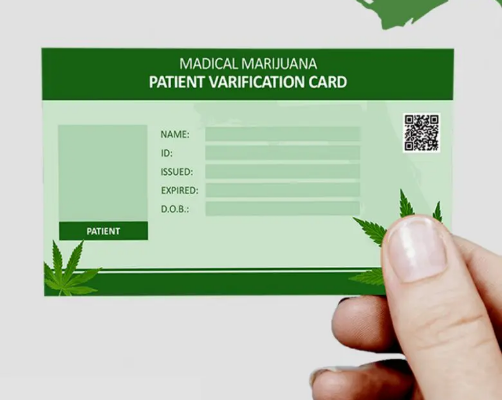
Get Medical Marijuanas Card KY for Free?

Pro-Guide: How to Get Medical Marijuanas Car KY for Free

When it comes to getting rid of chronic conditions, choosing a medical marijuana card can be a game-changer for you. Therefore, CBD Boxes understands the importance of accessible and affordable medical cannabis. Exploring how to get your certification for a free medical marijuana card can be a difficult task, but worry not, you are in the right place. Do you want to learn about the benefits of a free marijuana card and how to avail it? We will break down each and every to help you understand perfectly. In this guide, we will walk you through the requirements and steps to benefit from medical marijuana treatment without bearing additional financial burdens. Let's explore how to get medical marijuanas card in KY for free?!

How to Qualify for a Free Medical Marijuana Card

Are you facing chronic pain and seeking to get a free medical marijuana card? For this purpose, it’s essential to understand the necessary qualifications and some key points. No doubt each state has its own rules and regulations, which makes it difficult for patients to apply for a free marijuana card. But here are some of the common eligibility criteria of how to get medical marijuanas card ky for free?!

Here are Kentucky medical marijuanas card 2024 requirements:

  1. Approved Medical Conditions
    A huge number of states approve medical marijuana for serious conditions like chronic pain and PTSD. So, you must check your state’s list of qualifying conditions to see if you’re eligible or not.
  2. Medical Documentation
    Collecting relevant medical records that detail your diagnosis and previous treatments can help you for eligibility of a free card. These documents serve as proof of your need for cannabis so that you can get from these health problems.
  3. Proof of Residency
    Any person who lives somewhere must be a legal resident of the state. Because if you are not legally living, then it may be difficult to apply for the card. A government-issued ID, like a driver’s license, is often required to confirm residency, which makes it easy for you to avail marijuana card benefits.
  4. Age Requirements
    Age limit is crucial for applying for a marijuana card. This indicates that you must be 18 years old. However, if you are not old enough and still want to avail this card, then you need the assistance of a parent or legal guardian. This will help you in how to get a medical marijuanas card ky for free.
  5. Physician’s Recommendation
    A licensed healthcare provider must evaluate your condition and provide a written certification stating that medical marijuana is an appropriate treatment option for you. Learn more about how to get a medical marijuana card ky for free.
  6. Application Submission For Medical Marijuana Card Kentucky Online
    Complete and submit the official application along with the necessary documents. Some states offer fee waivers for qualifying patients.
  7. State-Specific Guidelines For How To Get A Medical Marijuana Card In Kentucky
    Each state has its own medical marijuana program with unique steps and policies. For example, Kentucky’s program outlines its own set of requirements for applicants.

These are the criteria for getting a Kentucky medical marijuana card requirements. You can take the first step toward accessing medical cannabis to improve your well-being. Stay updated on your state’s regulations and seek professional guidance to navigate the application process successfully. Explore how to get a medical marijuana card ky for free online.Those who are living in other parts of the USA, like in Virginia, can visit their nearby dispensary or apply online to qualify for a Medical Marijuana Card

Easy Way to Obtain a Free Medical Marijuana Card in KY

Nowadays, we can say that medical marijuana has become a popular choice and alternative treatment for various health conditions. But still many patients worry about the costs associated with it. You just don't need to worry because there are some ways to access medical marijuana treatment without paying or even bearing additional financial burdens. Are you ready to discover those steps? So, if you live in a country that has legalized medical marijuana and to understand the specific regulations governing its use. However, some countries require a qualifying medical condition, such as chronic pain. And, also epilepsy, or multiple sclerosis. Consulting with a licensed healthcare provider who can help you boost your condition is necessary. And, determining if medical marijuana is a suitable treatment is crucial. Some states offer financial assistance programs and discounts, or even free consultations for low-income patients.

Essential Information Regarding A Free Marijuana Medical Card

It's safe to say that essential details for making informed decisions about medical marijuana use are the key. Therefore, marijuana enthusiasts must research the different usage and benefits of marijuana oils and edibles. To find the most effective and economical option, you need to understand their difference. The other best option is to seek advice from healthcare professionals regarding your treatment. Patient support groups can also provide guidance on affordable treatment options. So, understanding the legal requirements and utilizing available financial aid programs can help you make smart purchases. You can get a range of benefits from medical marijuana treatment without straining their finances. With a good plan and complete research, you can choose the best medical marijuana solution as per your specific need.

How to Reduce the Cost for Your Treatment?

If you want to reduce costs, then it’s important for you to apply for a medical marijuana card if required. Because this often provides access to lower prices and tax exemptions and ensures peace of mind. Plus, some insurance plans might cover consultation fees. So it’s worth checking with your provider. Another way to save money is by purchasing in bulk. Like if you opt for cost-effective strains and grow plants at home if permitted by law, then you can also reduce costs. Take advantage of special offers or community programs that provide affordable access to medical cannabis. Discovered Kentucky medical marijuanas card cost. Don't wait anymore to begin the process right now!

Final Words

We understand that traditional medical treatments aren’t always good. Therefore, you must have a marijuana free card to manage chronic pain or other health problems. We are committed to helping patients in understanding the natural relief through a free medical marijuana card. Our knowledgeable team will guide you through every step of obtaining packaging for your medical marijuana products. Hope you have understood how to get medical marijuanas card ky for free?. However, companies can use envelope packaging or marujuana packaging to transform a free medical marijuana card to their patients. This is where you must contact CBD-Boxes. We take pride in offering the best yet affordable envelope cards to our customers at highly affordable rates. Our offerings are endless. Whether you need packaging for oil, tincture, or other marijuana products, contact us. We have years of experience in the packaging industry. Our team of experts is always available to help you in making medical marijuana packaging as per the customer's requirements. Make us your packaging partner right now via email or give us a call to enjoy endless packaging benefits!