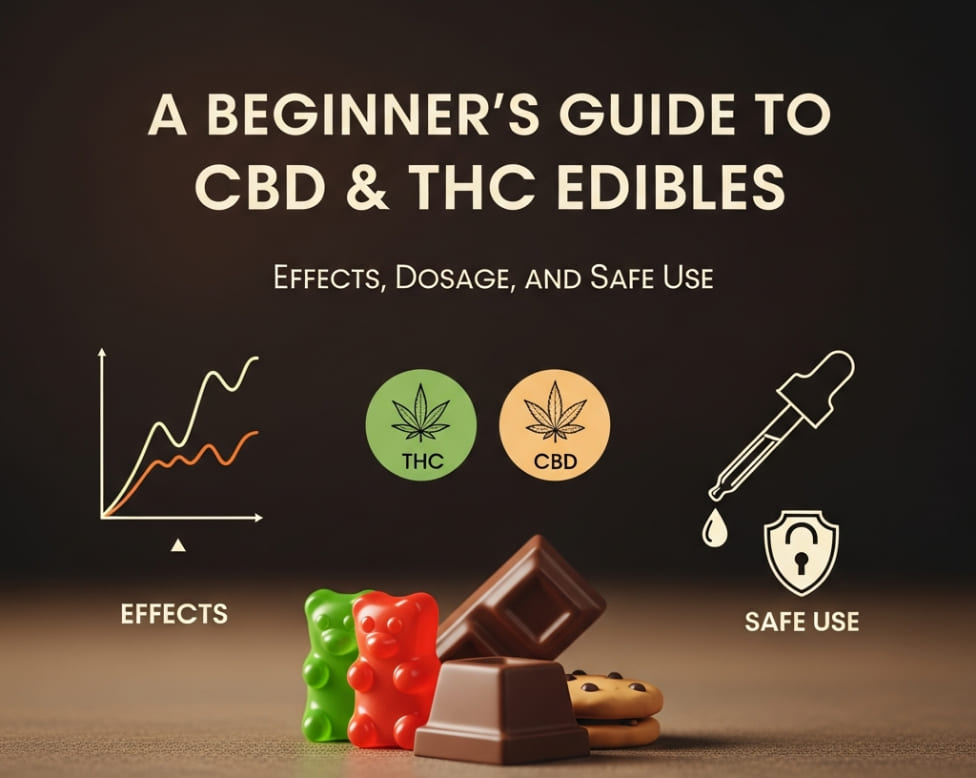
A Beginner’s Guide to CBD & THC Edibles: Effects, Dosage, and Safe Use

Edible cannabis has moved from the fringes of counterculture to the shelves of health stores and dispensaries. As more people explore cannabis for wellness or recreation, gummies, brownies, cookies and drinks infused with cannabidiol (CBD) and tetrahydrocannabinol (THC) are often touted as safer alternatives to smoking. It’s easy to assume you can approach an edible the way you would a chocolate bar or a beer, yet cannabinoids work very differently in your body when you eat them. This guide looks at what makes CBD and THC edibles unique, how they work, how to dose them and – just as important how to use them responsibly.

CBD vs. THC: What’s the Difference?

Cannabis contains dozens of compounds called cannabinoids, but two tend to dominate the conversation. THC is the molecule most associated with feeling high. THC binds to cannabinoid receptors in the brain and body to create euphoria and altered sensory perception. CBD, on the other hand, is non-intoxicating and is being researched for its potential therapeutic benefits.

THC edibles are sold in tightly regulated doses because too much can lead to unwanted side effects. CBD edibles come in a wide range of strengths and are often used by people seeking relief from anxiety, pain or sleep issues without the buzz. It’s important to note that CBD is not risk-free: a 2025 Healthline overview notes that research has used daily doses ranging from 20 mg to 1,500 mg, and there is no universal dosage because individual responses vary.

Eating vs. Inhaling: Why Edibles Feel Stronger and Last Longer

People accustomed to smoking cannabis are often surprised at how long edibles take to kick in and how intense the experience can be. When you inhale cannabis smoke or vapor, THC travels directly from your lungs into your bloodstream and brain, producing effects within seconds to minutes. Those effects generally peak within 30 minutes and subside within six hours. Eating cannabis, however, requires the compounds to pass through your stomach and liver before reaching your bloodstream.

This metabolic detour converts THC into 11-hydroxy-THC, a metabolite that is more potent and crosses the blood–brain barrier more easily. Because of this process, edibles may take 30 minutes to two hours to produce noticeable effects; full effects can take up to four hours, and the high can last 4–12 hours with residual effects lasting up to 24 hours.

The slow onset often leads beginners to consume more than they intended. Both the Canadian Centre on Substance Use and Addiction and the government of British Columbia emphasize a key mantra: “start low go slow.” If you eat an edible and don’t feel anything after 30 minutes, resist the urge to take another right away; you could end up uncomfortably high several hours later.

Dosing THC edibles: small amounts go a long way

Many jurisdictions set a maximum of 10 mg THC per package for legal edible products, but even that may be too much for a beginner. Health authorities suggest starting with a single serving containing no more than 2.5 mg of THC. The British Columbia factsheet recommends waiting at least two hours after consuming a 2.5 mg dose before taking more to avoid overintoxication. Over?consumption can cause anxiety, panic, nausea, hallucinations, and a rapid heartbeat.

Understanding the label on edible products is essential. Each package should state the amount of THC and CBD per serving. Some candies or baked goods contain several doses in one package; cutting them into equal pieces ensures you know how much you’re taking. If you are new to THC, consider splitting a 5 mg gummy with a friend or choosing products with even smaller doses.

Dosing CBD Edibles: Start Small and Observe

While CBD does not produce the “high” associated with THC, dosing still matters. Healthline’s review of research notes that human studies use CBD doses anywhere from 20 mg to 1,500 mg per day. Because there is no official recommended dosage and CBD is metabolized differently depending on body weight, metabolism, and product potency, experts advise starting with a small daily dose (for example, 20–40 mg) and increasing by about 5 mg each week until you notice effects. Keeping a log of how much you take and how you feel can help you find your “sweet spot.”

Project CBD, a nonprofit educational organization, emphasizes that cannabis therapeutics is personalized medicine. For newcomers, it may be best to use a CBD-rich remedy with little THC and increase the dosage step-by-step, taking doses throughout day rather than one dose. Because CBD may reduce THC’s intoxicating effects, balanced products containing both cannabinoids could provide greater benefit. However, high doses of CBD are not always innocuous.

A 2023 Johns Hopkins study found that when participants consumed brownies containing 20 mg of THC along with 640 mg of CBD, their blood levels of THC and its metabolite 11-OH-THC were higher than when they ate brownies with only THC. Participants reported stronger drug effects, greater cognitive impairment, and higher heart rates, suggesting that very high doses of CBD can amplify THC’s effects instead of counteracting them. Safe use: minimize risks and respect the law

Read labels and choose regulated products

Legal cannabis edibles are tested for potency and contaminants. Government guidelines advise obtaining cannabis products only from licensed producers, because regulated products are tested for solvent residues, pesticides, molds, and heavy metals. Illegally produced edibles may not contain the THC or CBD levels advertised and may include harmful additives.

If you prefer to make cannabis edibles at home, measure your ingredients carefully and label the finished products to avoid confusion. According to British Columbia’s factsheet, edible cannabis often looks like regular food; to reduce the risk of accidental ingestion, label and store them in child-resistant containers and keep it out of reach of children and pets. Never leave edibles in the refrigerator or pantry where they could be mistaken for snacks.

Plan Your Setting and Avoid Driving

Because edibles can affect you for up to a day, use them when you have several hours free and can stay in a safe, comfortable environment. If you are new to edibles, use them with trusted friends or family members who are experienced. Do not drive or operate heavy equipment after consuming cannabis. Plan transportation or arrange to stay overnight if you’re consuming away from home.

Don’t mix With Alcohol or Other Substances

Mixing cannabis with alcohol or other intoxicants can magnify impairment and increase the risk of panic, nausea, or accidents. The Canadian fact sheet specifically warns that alcohol increases the intoxicating and impairing effects of cannabis; combining cannabis with stimulants or depressants can lead to serious health complications. If you take prescription medications, consult a healthcare professional before using cannabis products.

Know When to Seek Help

If you or someone else has consumed too much and experiences severe symptoms such as extreme sedation, hallucinations, or rapid heartbeat, call your local poison control center or emergency services. In British Columbia, the poison control hotline is listed on government factsheets; most regions have similar services.

Legal Considerations

Cannabis laws differ across countries and states. In some places, CBD derived from hemp with less than 0.3 % THC is legal, while products containing more than 0.3 % THC are still considered marijuana and may be illegal (healthline.com). Even in jurisdictions where cannabis is legal, public consumption is often prohibited, and driving under the influence is illegal. Check your local laws before purchasing or consuming edibles, and never transport cannabis across borders.

Final Thoughts

CBD and THC edibles offer a discreet, smoke-free way to explore cannabis, but they demand respect. Because ingested cannabinoids are processed through the digestive system and liver, edibles take longer to work, and the effects last much longer than inhaled cannabis.

For THC products, starting with no more than 2.5 mg and waiting at least two hours before taking more can help avoid a bad experience. For CBD, there is no one? size? fits? all doses begin with 20–40 mg per day and adjust gradually Always purchase from regulated sources, store
The Overlooked Signs Your Microbiome Needs Support

Gut became a celebrity lately, but behind the gut trend are some facts. The collection of bacteria and microbes living in your digestive tract influences far more than digestion. It affects your mood, your immune system, and even how your skin behaves. Trouble is, when your microbiome starts to fall out of sync, it doesn't always announce itself. Shift in energy, sleep, or even focus can all trace back to that ecosystem working overtime inside you.

How Everyday Choices Shape Gut Microbiome

Your microbiome is constantly adapting to what you feed and how you live. A diet high in food, little sleep, stress, or constant antibiotic exposure can throw that community off balance fast. It's not about perfection but about consistency. Fiber, fermented foods, and hydration lay a foundation for bacteria to thrive, and movement helps digestion keep pace.

That said, habits tend to stack up. A week of takeout or skipped meals may not cause chaos, but a month of imbalance can start to show up in place. People often think digestive distress is the main red flag, but changes in skin texture, irritability, or brain fog can also point to microbiome trouble. Even recurring yeast issues or fungal infections can sometimes be linked to a gut environment that's lost its edge.

Gut-Brain Conversation

One of the discoveries in health research is the two-way dialogue between your gut and brain. They communicate through the vagus nerve, immune molecules, and even bacterial metabolites that can affect mood and focus. That's why anxiety or sadness sometimes show up alongside stomach issues. It's not just a coincidence.

Stress management becomes essential here because stress hormones shift how your gut behaves. They can slow motility, alter acid production, and change bacterial balance. Sleep plays its part too. The microbiome resets overnight, so insomnia or a schedule chips away at that recovery time. Even light exposure and the timing of meals can influence bacterial rhythm.

Natural Support That Actually Helps

There's a reason people keep turning to plant-based and botanical remedies for digestive support. Many have properties that can recalibrate your gut without wiping out microbes along the way. That's where, whether it's Kine tinctures, Charlotte's Web balm, or anything in between, CBD is a game-changer here. It's been shown to support the body's response and calm the nervous system, both of which play into gut regulation. When stress eases, digestion tends to follow.

Beyond CBD, adjustments like a teaspoon of apple cider vinegar before a meal, adding vegetables like onion and leek, or using tea with ginger or peppermint can make a difference. They may seem small, but that's often what works best for the gut: interventions that nudge the balance back without overwhelming the system.

When To Pay Attention

Everyone's microbiome has a fingerprint, so symptoms vary. Still, patterns emerge when things start slipping. Stomach after every meal. A sudden intolerance to food that never used to bother you. Fatigue that doesn't improve with rest. Skin flare-up that feels but seems to mirror digestive discomfort. These aren't events. They're bodies' way of saying their environment needs care.

It's worth noting that gut doesn't respond well to extremes. Diet, detox, and cleanse can strip away both harmful and helpful bacteria. A better approach is gradual and restorative. Feed your microbiome with food, recognize and hydrate, and manage stress where you can. Healing happens over a week, not a day.

Rebuilding Balance From Inside Out

Think of gut repair less like a plan and more like tending a garden. You're not forcing anything. You're creating a condition where growth outpaces weeds. Over time, energy stabilizes, mood evens out, and digestion finds rhythm again. The microbiome also teaches your immune system what to ignore and what to attack, meaning fewer overreactions to allergens or pathogens.

What's interesting is how people often notice a shift first—thinking, morning, and fewer sugar cravings. These are signs that signal your gut-brain connection is resynced. Once your microbiome feels supported, your body starts acting like it remembers how to work with you instead of against you.

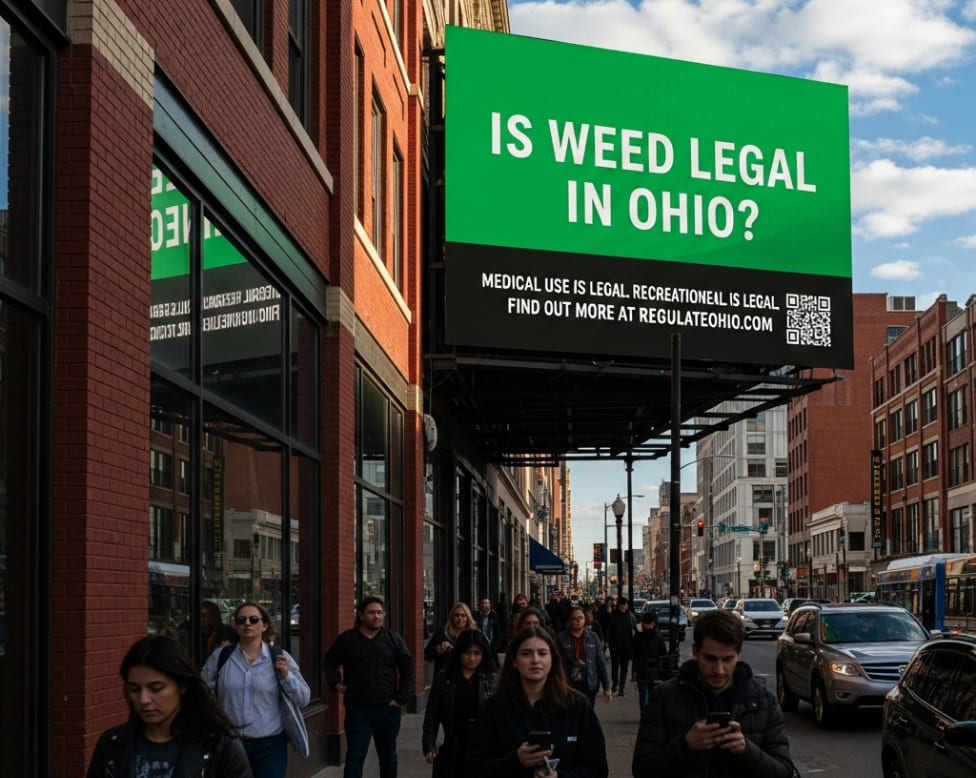
Is weed Legal in Ohio?

Imagine you are moving to Ohio or planning a long trip to Columbus or Cleveland. You know that the recreational use of marijuana has been legal since December 2023. However, your friends are saying that the understanding of rules is still essential. This includes how much marijuana you carry, where to buy it, and if you are caught carrying more marijuana.

This confusion forces people in the U.S to search about this matter because medical marijuana is legal in Ohio, and the recreational market is new, but the laws look more complex. But we think that to know the real information is right for every U.S citizen, and that’s why we created this guide for you. We will explain what’s legal for both medical and recreational marijuana users, new weed possession laws, and penalties. Read this article to the end to know how you can take weed and enjoy parties with friends in Ohio.

Is weed Legal in Ohio? 

The exact answer is yes, as recreational marijuana has been legal in Ohio since December 2023, and medical marijuana has been legal since 2016. People who are above 21 can buy marijuana with a valid ID. The possession limit for buying marijuana is 2.5 ounces of flower, which is equal to 15 grams of concentrates.

If we talk about growing marijuana at home, then it is legal to grow six plants for adults and 12 plants for households (must be secured and not visible from public view). You can buy weed from licensed dispensaries that are running under the Division of Cannabis Control. Talking about medical access, then patients who are 18+ have access with a qualifying condition.

If you are a retail owner, then remember that selling weed is only legal with child-resistant and labeled weed packaging

So, this is the perfect and right explanation of Ohio marijuana legalization 2025 and the weed legalization status Ohio

Medical Marijuana in Ohio – Patient Access and Benefits

According to Ohio medical marijuana laws, patients aged 18 and above, with one of the qualifying conditions (such as chronic pain, PTSD, cancer, epilepsy, or MS), are able to participate in the medical cannabis program Ohio by visiting a state-approved physician, who should conduct the assessment of the patient and place him/her on the statewide registry. 

Upon approval you get a digital card, carry the card and an original ID to a licensed dispensary to buy medical products. The program is based on a 90-day system of supplies divided into two 45-day fill-ups. 

Additionally, you can purchase half of your total recommendation in Days 1-45 and the remainder of it in Days 46-90. The most common ceilings are 90 days and under with up to 9 oz of plant material, 53.1 g THC in vape oil, 9.9 g THC in oral administration (sometimes as oils, pills and edibles) and 26.55 g of THC in topicals; terminal patients may receive higher limits. 

The reason why many patients use medical status instead of adult use is the purchasing limits wich are high as compare to the 2.5-ounce recreational cap. The tax is lower (no adult-use 10 per cent excise) and physician guidance for more structured that makes product selection and dosing a safer and more predictable experience.

If you are exploring the patient market, compliant retail, or white-label CBD, consider the opportunities outlined in How to Start CBD Business in Ohio.

What are Marijuana Possession Laws & Penalties in Ohio?

According to marijuana possession laws Ohio, 2.5 oz or less possession by adults is legal, however, exceeding Ohio boundaries initiates Ohio marijuana penalties. The cycle is straightforward: 100g will be a minor misdemeanor (usually not more than a $150 fine). 

100g-200g will be a 4th-degree misdemeanor (possible jail). 200g+ will enter the felony territory with a steep rise in terms of sentences as the weight increases. Note that the case of trafficking and personal possession is difference: the evidence of sales (quantity of goods, cash, weights, communications, etc.) may leads to a straightforward case into a trafficking with much more difficult consequences. 

If you cross the state lines with cannabis risks and federal exposure, and you may have purchased legally in other states, don’t transport it across the borders. To store cannabis products in a safe manner and achieve the intended odor control that aligns with cannabis use laws in Ohio, you will want to use sealed weed boxes (weed must be kept out of the reach of the driver whenever a transport is done).

Taxes, Revenue, and Business Implications of Weed in Ohio

The adult-made Purchases in Ohio will be taxed 10% excise tax and 5.75% state sales tax (local sales taxes may apply). The adult-use excise is usually not applied on medical purchases, and this is why most patients pay less out-the-door. 

Some of the revenue go to the communities where dispensaries are located, social-equity and jobs opportunity programs, cannabis research, and addiction treatment. One of the reasons why you will continue to see Ohio marijuana law updates as regulators work on the program. 

For operators, there is compliance of METRC seed-to-sale tracking, labor/training regulations, and tough packaging/labeling (child-resistant, clear warnings). Additionally, keep in mind that legalization has been paired with weed decriminalization in Ohio history. 

The adult consumption is legal, but violations (public use, over-limit possession, impaired driving, cross-border transport) still trigger penalties.

What are the workplace and Employer Rules?

The legalization of the state of Ohio did not change the workplace. Employers are allowed under Ohio cannabis to maintain zero-tolerance policies, pre-employment, random and post-accident drug tests and act on positive results. 

There has no state protection of any of the above off-duty cannabis use (medical or recreational) and some workers who violated policy could not even receive unemployment benefits. 

Federally regulated and safety-sensitive jobs (e.g., DOT drivers, aviation, defense) need to follow the federal regulations; federal contractors and grantees are normally in compliance with the Drug-Free Workplace Act. 

Those employers not in the public sector must identify on-duty impairment, testing causes and ways that THC metabolite positives are treated as such tests do not determine current impairment. 

There is no general obligation on the part of the employer to accommodate medical marijuana. That’s why employees must review Handbook before consuming marijuana. 

Conclusion

Yes, weed is legal in Ohio, but within limits. It was legalized to adult-use in December 2023 and medical cannabis in 2016. The conclusion of this article is that you can have fun with legal access, but remain within the parameters and limitations- 2.5 oz flower, 15 g extract, but not in public use or drive under the influence. 

Fines are still in place on over-limit possession, public consumption, unlicensed sales, and going across state lines. It is recommended to always buy marijuana from licensed dispensaries and keep the product sealed during transportation. 

At CBD-Boxes, we offer customized packaging solutions related to weed packaging and more. You can choose logo, designs, and all other things on the packaging. 

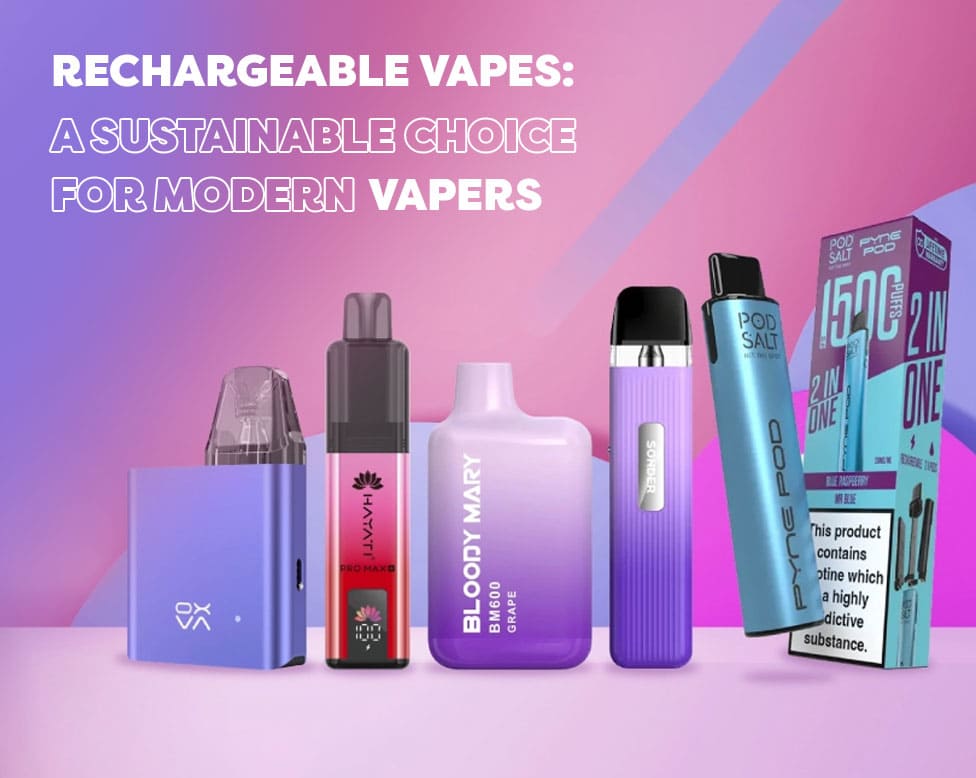
Rechargeable Vapes: A Sustainable Choice for Modern Vapers

Eco-friendly vapes you can recharge and keep using month after month.

A staggering 5 million disposable vapes are trashed every week in the UK alone, around 8 vapes every second.

And the great majority will end up in landfill where they'll pollute the environment for hundreds of years to come.

Here's the issue:

Most vapers have no idea of the environmental damage their disposable devices are causing. But there is a simple, affordable solution that saves you money AND helps the planet.

Switch to discreet vapes

In this post, we will go over:

  • Why Disposable Vapes Are An Environmental Disaster
  • The Hidden Costs You're Not Thinking About
  • How Rechargeable Vapes Actually Work
  • The Real Benefits Of Switching
  • What Makes A Vape Truly Sustainable
  • Tips For Making The Transition
  • The Bottom Line On Sustainable Vaping

Why Disposable Vapes Are Destroying The Environment

Let's get something straight. And by straight I mean totally undisputable…

Disposable vapes are single-use electronic devices.

You vape for a few days and then throw them away.

Disposable devices are made of plastic, rechargeable lithium-ion batteries, copper and toxic metals such as lead and mercury.

Once in landfill or the ocean, those materials break down and leach into the soil and waterways. And not like cigarette butts that biodegrade over time under extreme conditions. This is plastic and metal that will persist for hundreds, if not thousands of years.

Think about it:

Throwing away a disposable vape is literally chucking away a perfectly functional rechargeable battery that could have been recharged up to 300 times over.

In other words, it's like buying a new smartphone every time your battery runs flat.

Recent data revealed beach cleanup volunteers saw a 150% increase in the number of vapes collected between 2021 and 2024.

The small devices are increasingly being found on beaches, parks and streets in communities all over the world.

Disposable vapes are an environmental disaster.

The Hidden Costs You're Not Thinking About

The problem is most people simply don't think about these costs when they buy a cheap disposable vape. In fact, disposables are widely considered the more affordable option.

Disposable vapes are indeed cheaper in the short term.

But not if you're serious about vaping for months, or even years to come.

If you stick with disposables, the costs of those hidden fees are significant:

Disposable vapes cost $5 to $15 each. Depending on your usage, you might need one or two a day. That's $75 to $225 per month.

A quality rechargeable vape and refill pod will cost $25 to $75. Then it's about $50 to $75 per month to buy the e-liquid refills.

Simple math tells us that, with a quality reusable vape, you're already saving money after the first month.

Disposable vapes represent a false economy.

Every Single Disposable Vape You Throw Away Contains:

  • A rechargeable battery that's designed to last hundreds of charging cycles
  • Plastic that won't biodegrade
  • Metals that will leach into soil and water
  • Toxic chemicals and e-liquid residue that can contain nicotine.

These materials don't go away. They end up in landfills, oceans and ecosystems where they're hurting the environment and wildlife.

Disposable vapes are an avoidable cost you don't need to bear.

How Rechargeable Vapes Actually Work

Vape pens are the same. Rechargeable vapes are simply built to last and be reused.

The key technology in all rechargeable vapes is the lithium-ion battery.

Same kind of battery in your smartphone.

Instead of using one and then throwing it away with the rest of the device, you recharge it and reuse it hundreds of times.

Here's How Rechargeable Vapes Help the Environment:

Reusable Battery. The same battery is recharged instead of trashed. This significantly reduces electronic waste.

Refillable Pods. Rather than discarding the whole vape, you simply replace pods or cartridges. Much less waste.

Durable Materials. The best rechargeable devices use stainless steel, aluminum or glass rather than cheap plastics. Long-lasting materials that can be recycled.

Modular Design. When something breaks, it can be replaced without having to dispose of the whole device.

A key point to stress:

Most modern rechargeable vape pens are as convenient as disposables. They use USB-C charging for fast recharging. Battery life is long and vapor production is satisfying. Many people don't even miss disposables once they make the switch.

The Real Benefits Of Making The Switch

The great thing about rechargeable vape pens is that they are great for the planet. But they also have a range of benefits for the user.

Long-Term Cost Savings

Disposable vapes add up after just one month of vaping.

After the initial cost of the reusable vape and first refill pods, refill e-liquids are significantly cheaper than buying another disposable device every few days.

Most people save between $50 to $100 or more per month on a reusable vape.

Improved Performance

Disposable vapes often have inferior battery life, inconsistent vapor production, and a lack of user controls. Rechargeable vapes with better batteries and more power tend to produce a better experience.

Adjustable settings like variable wattage and output power are also an advantage.

Lower Carbon Footprint

By using one device for months rather than multiple disposable vapes every week, you're dramatically reducing your environmental impact.

Supporting Sustainability

When you buy rechargeable, you're backing a company that is taking the long view, is serious about sustainable design and cares about its environmental footprint.

Helpful Policies On The Way

Governments are finally starting to take notice. The Belgian government banned disposable vapes effective January 2025. The French government is set to follow in February. The UK's ban on disposables will start in June 2025.

Disposable vapes are a dead end.

What To Look For In A Sustainable Vape

Not all rechargeable vape pens are made equal. If you want to vape in a sustainable way, keep these criteria in mind:

Battery Life. Aim for at least 500mAh battery or higher. This will give you good battery life between charges.

Replaceable Parts. Choose vapes where the individual pods, coils, and batteries can be replaced. Instead of the whole device.

Quality Materials. Cheap plastic vape pens are a no-go. Stainless steel, aluminum, and glass are all much more sustainable and long-lasting.

Standard Charging. USB-C charging is the way to go. Proprietary cables will end up in landfill eventually.

Recyclable Parts. Some brands use recycled components and even offer recycling programs for old devices. Look for those.

Making The Transition Easy

The biggest problem with reusable vape pens is that most people don't even consider them an option. They think it's complicated or too much trouble.

In fact, it's dead easy.

Buy a quality starter kit from a reputable brand. These usually include the vape device itself, two or three refill pods or cartridges, a USB charging cable and instructions.

Once you have your device, using it is simple:

  1. Charge the battery (30-60 mins tops)
  2. Fill pod with e-liquid or insert pre-filled cartridge
  3. Vape as normal during the day
  4. Recharge as needed
  5. Replace pods/cartridges or refill when empty

Easy.

There are no sacrifices to your convenience. Just a smarter choice.

The Bottom Line On Sustainable Vaping

The vaping industry is at a crossroads. Disposable vapes will make a bad situation worse. Toxic electronic and plastic waste will pile up in landfills for centuries to come.

Or we can choose rechargeable vape pens.

Smartphones. Kindles. Laptops. Electric Cars. Most modern technology uses rechargeable batteries for a reason.

Disposable vapes are an environmental disaster. Toxic plastics, metal and rechargeable lithium-ion batteries that are trashed after just a few days of use.

Rechargeable vapes solve the problem. Same technology. But instead of discarding the whole battery, it's recharged for continued use.

Disposable vapes will be banned. Many countries are already starting to ban them. You have the choice.

Be part of the problem or part of the solution.

The decision is yours.

But choosing a quality rechargeable vape pen is a no-brainer.

It saves you money. It gives you a better vaping experience. It drastically reduces your environmental impact. Switch to rechargeable vapes today and vape with a clear conscience tomorrow.